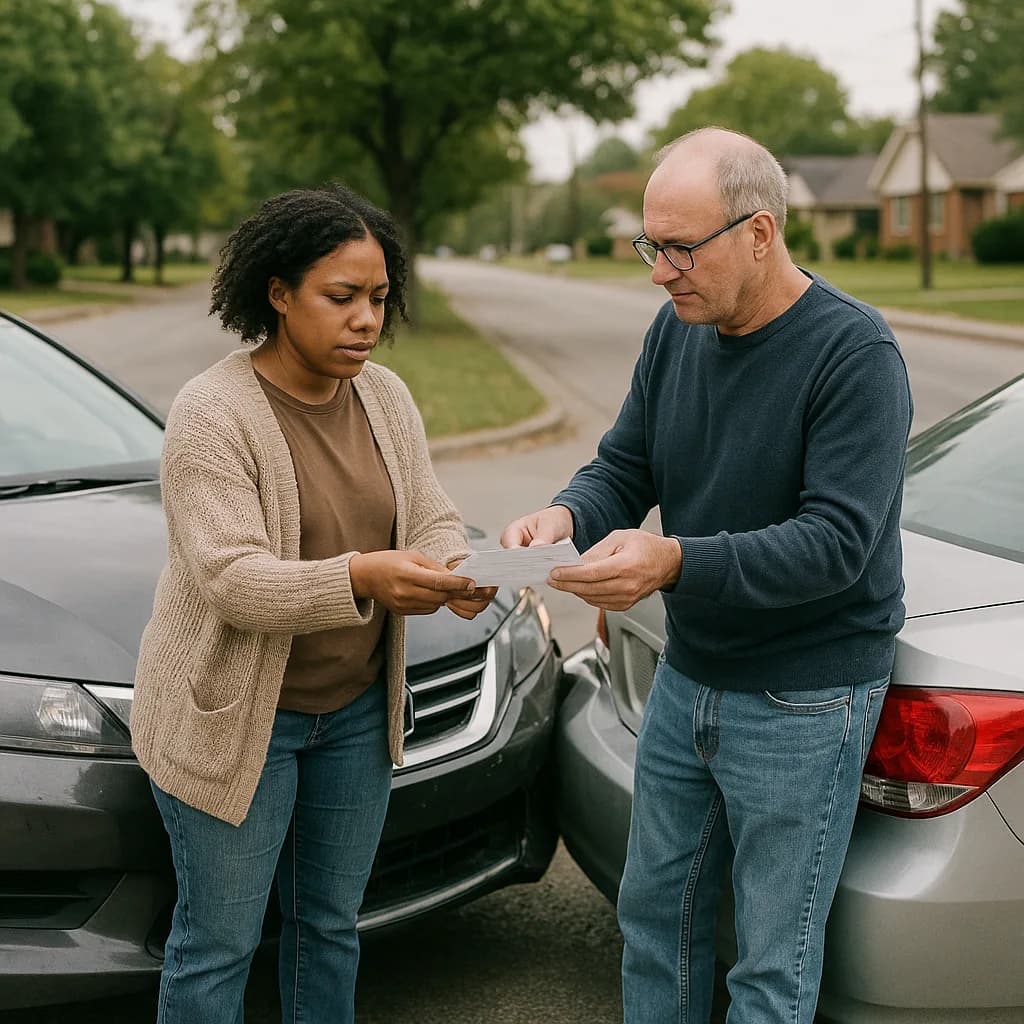
Why Car-Share Users Need Non-Owner Coverage
Car-share platforms like Zipcar, Turo, and Getaround provide liability insurance while you're actively driving a reserved vehicle, but that coverage ends the moment you return the keys. If you back into a pole during pickup, hit a pedestrian while parallel parking at drop-off, or borrow a friend's car on a day you're not using the platform, the platform's policy does not respond. A non-owner policy fills those gaps: it provides liability coverage that follows you across any vehicle you drive but do not own, sitting secondary behind whatever coverage the car itself carries.
The structural reality: a non-owner policy is liability-only by design. It covers bodily injury and property damage you cause to others, plus uninsured/underinsured motorist protection in most states, but it never covers physical damage to the car you're driving. That's the car owner's job—or, in the car-share case, the platform's collision waiver if you purchased it. Your non-owner policy protects you from lawsuits and medical bills when the primary coverage is exhausted or absent.
Get non-owner SR-22 coverage without owning a vehicle
Compare carriers that offer non-owner policies with SR-22 filing — required for reinstatement in most states.
Get Your Free QuoteNational Non-Owner Premium
$37–$46/mo
Non-owner policies cost significantly less than standard auto insurance because they carry no collision or comprehensive coverage. Rates vary by driving record, age, and state minimum liability requirements.
MoneyGeek, Insurify, Insure.com 2026 non-owner rate analysis
What Car-Share Platform Coverage Actually Provides
Zipcar, Turo, Getaround, and similar platforms provide liability insurance that meets the state minimum in the jurisdiction where you're driving. Zipcar's policy, for example, typically provides $300,000 combined single-limit liability in most states, which exceeds most state minimums but sits far below what you'd carry on a personal policy if you owned assets worth protecting. Turo's liability coverage varies by plan tier: the minimum plan provides only the state-required liability floor, while premium plans offer higher limits.
That coverage is active only during the reservation period—from the moment you unlock the car to the moment you return it and end the trip in the app. If you're walking to the car and trip over a curb, injuring yourself, the platform's policy does not respond. If you're parallel parking at drop-off and scrape another car, you're covered. If you return the car, end the trip, then realize you left your phone inside and back into a pole while retrieving it, the platform's coverage has already ended.
The collision damage waiver (CDW) or damage protection plan you can purchase from the platform covers physical damage to the car-share vehicle itself, not your liability to third parties. That's a separate product. If you decline the CDW and damage the car, you're personally liable for repair costs up to the vehicle's value. A non-owner policy does not cover that liability—it's vehicle damage, not third-party bodily injury or property damage.
The gap: platforms provide no coverage when you drive a car that is not part of their fleet. If you borrow a friend's car, rent from a traditional agency without purchasing their liability coverage, or drive a household member's vehicle occasionally, the platform's policy does not follow you. A non-owner policy does.
Car-share coverage ends the moment you return the keys. If you're still in the parking lot and back into another car after ending the trip in the app, the platform's liability policy has already lapsed.
How Non-Owner Coverage Layers with Car-Share Policies
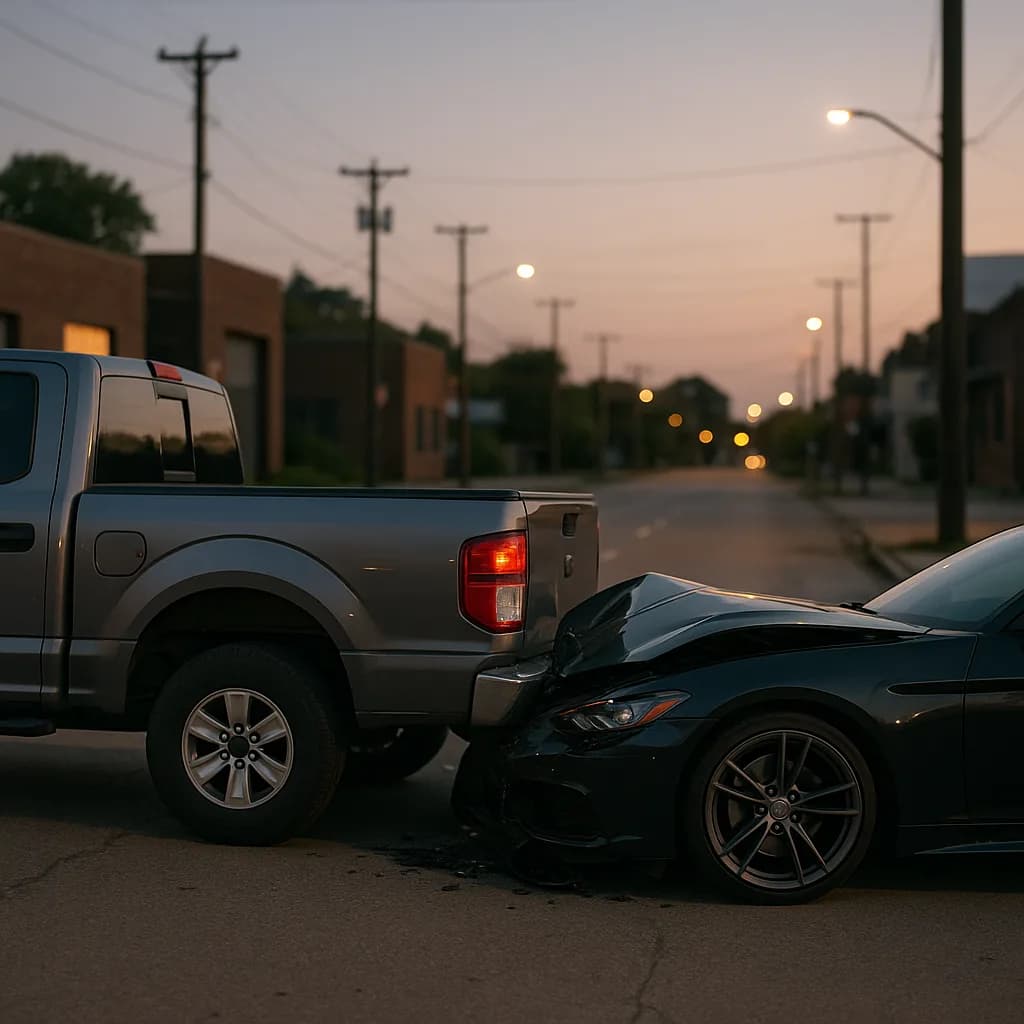
When you're driving a car-share vehicle during an active reservation, the platform's liability policy is primary. If you cause an accident and the damages exceed the platform's liability limits, your non-owner policy responds to cover the excess up to your own policy's limits. If the platform provides $300,000 in liability coverage and you carry a non-owner policy with $100,000/$300,000 bodily-injury limits, your policy adds no additional protection in most scenarios—the platform's coverage already exceeds your own. The value of the non-owner policy in this case is not additional limits during the reservation; it's coverage outside the reservation window.
When you're driving a borrowed car—a friend's vehicle, a household member's car you're not listed on, or any car not part of a car-share fleet—the car owner's liability policy is primary and your non-owner policy is secondary. If the owner carries $50,000 in property-damage liability and you cause $75,000 in damage, the owner's policy pays the first $50,000 and your non-owner policy covers the remaining $25,000 up to your own property-damage limit. If the owner has no insurance or insufficient coverage, your non-owner policy's uninsured/underinsured motorist coverage responds to protect you from the other driver's medical bills and lost wages when they sue.
Related Articles
Which Carriers Write Non-Owner Policies for Car-Share Users
Seventeen carriers nationwide write non-owner policies, but availability varies by state. Geico and Progressive write non-owner coverage in all 51 jurisdictions and accept car-share users without restriction. The General writes non-owner policies in 45 states. Dairyland writes in 38 states and specializes in non-standard and high-risk drivers. GAINSCO writes in 22 states, primarily in the South and Southwest. USAA writes non-owner policies in all 51 jurisdictions but restricts eligibility to military members, veterans, and their families.
State Farm writes non-owner policies in only one state and should not be considered a national option. Allstate, Nationwide, and Travelers write non-owner coverage in select states but do not advertise it prominently—you must call an agent to confirm availability in your state. Direct Auto, Acceptance, and Bristol West write non-owner policies in limited regional footprints and focus on drivers with violations or lapses.
When comparing carriers, confirm three things: the carrier writes non-owner policies in your state, the carrier accepts applicants without violations (if your record is clean), and the carrier's liability limits meet or exceed your state's minimum. Most non-owner policies start at the state minimum and allow you to purchase higher limits. If you have assets worth protecting or drive frequently in states with low minimums, consider $100,000/$300,000 bodily-injury limits and $100,000 property-damage coverage regardless of what your state requires.
National Non-Owner Writers
17 carriers
Only 17 of 34 major carriers write non-owner policies nationwide. Geico and Progressive write in all 51 jurisdictions; The General in 45; Dairyland in 38. Availability varies significantly by state, and some carriers restrict eligibility to drivers with clean records.
Verified carrier state-licensing data, 2026
What a Non-Owner Policy Does Not Cover
A non-owner policy provides zero coverage for physical damage to any vehicle you drive. If you decline the car-share platform's collision damage waiver and total the vehicle, your non-owner policy does not pay for repairs. If you borrow a friend's car and back into a pole, your non-owner policy covers the pole owner's property damage but not the dent in your friend's bumper. Physical damage to the vehicle you're driving is covered by the vehicle owner's collision and comprehensive coverage, or by the platform's damage waiver if you purchased it.
Non-owner policies also do not cover personal injury protection (PIP) or medical payments coverage tied to a specific vehicle. In no-fault states like Florida, Michigan, and New York, PIP is mandatory and tied to the vehicle's registration. When you drive a car-share vehicle in a no-fault state, the platform's PIP coverage responds to your medical bills regardless of fault. When you drive a borrowed car in a no-fault state, the car owner's PIP coverage is primary. Your non-owner policy provides no PIP because you own no vehicle to register.
When to Buy a Non-Owner Policy as a Car-Share User
Buy a non-owner policy if you drive borrowed cars in addition to car-share vehicles. The platform's coverage does not follow you outside its fleet, and borrowing a car without your own liability coverage exposes you to personal liability if the car owner's policy is insufficient or excluded you from coverage. If you borrow a household member's car regularly and are not listed on their policy, most insurers exclude household members from coverage unless explicitly added. A non-owner policy closes that gap.
Buy a non-owner policy if you're between cars and want to avoid a coverage lapse. Insurance companies penalize drivers for lapses—rates increase an average of 8% to 35% after a gap in coverage, and some states impose fines or require an SR-22 filing after a lapse exceeding 30 days. A non-owner policy maintains continuous coverage on your insurance history even when you own no vehicle, preventing the lapse penalty when you eventually buy a car. Car-share usage alone does not constitute continuous coverage in the eyes of insurers—you need an active policy in your name.
Skip a non-owner policy if you use car-share platforms exclusively, never borrow cars, and have no assets worth protecting beyond the platform's liability limits. The platform's coverage is sufficient for most casual users who drive only during reservations and carry no personal liability risk. If you're judgment-proof—no savings, no property, no wages an injured party could garnish—the incremental liability protection a non-owner policy provides may not justify the $37 to $46 monthly cost.