When Borrowing a Car Triggers the Need for Your Own Policy
You drive a household member's car several times a week, or you regularly borrow a friend's vehicle for errands, and you want liability protection that follows you rather than depending entirely on the car owner's policy. A non-owner policy is liability-only coverage designed for exactly this situation: drivers who operate cars they do not own and want their own layer of bodily-injury and property-damage protection.
The structural reality most borrowers miss is that a non-owner policy is secondary coverage. It sits behind the car owner's insurance and activates only when the owner's liability limits are exhausted or their policy excludes you as a driver. It never covers physical damage to the borrowed car—no collision, no comprehensive—because you own no vehicle to repair. The policy protects you from personal liability exposure when you cause an accident, not the car itself.
Get non-owner SR-22 coverage without owning a vehicle
Compare carriers that offer non-owner policies with SR-22 filing — required for reinstatement in most states.
Get Your Free QuoteNational Non-Owner Premium Range
$37–$46/mo
Non-owner policies cost substantially less than standard auto insurance because they carry no physical-damage coverage and function as secondary liability protection. Rates vary by state minimum liability requirements and your driving history.
MoneyGeek/Insurify/Insure.com 2026 non-owner analysis
What a Non-Owner Policy Actually Covers When You Borrow
A non-owner policy provides bodily-injury liability and property-damage liability coverage at or above your state's minimum required limits. If you cause an accident while driving a borrowed car and the damages exceed the car owner's liability limits, your non-owner policy pays the excess up to your policy limits. Most non-owner policies also include uninsured-motorist coverage, which protects you if you're hit by a driver with no insurance or insufficient coverage.
The policy does not cover collision damage to the borrowed car, comprehensive losses like theft or weather damage, or any physical repairs to the vehicle you're driving. Those coverages belong to the car owner's policy or do not exist at all if the owner carries only liability. Your non-owner policy also does not cover medical expenses for injuries you sustain in an accident unless your state requires personal injury protection and your policy includes it.
The coverage follows you as the driver, not the vehicle. You can drive multiple borrowed cars under the same non-owner policy without notifying your carrier for each vehicle, as long as you do not have regular access to a car titled in your name or registered to your household.
The car owner's insurance pays first. Your non-owner policy activates only when their limits are exhausted or their policy excludes you as a driver.
How Coverage Layers When You Borrow a Car
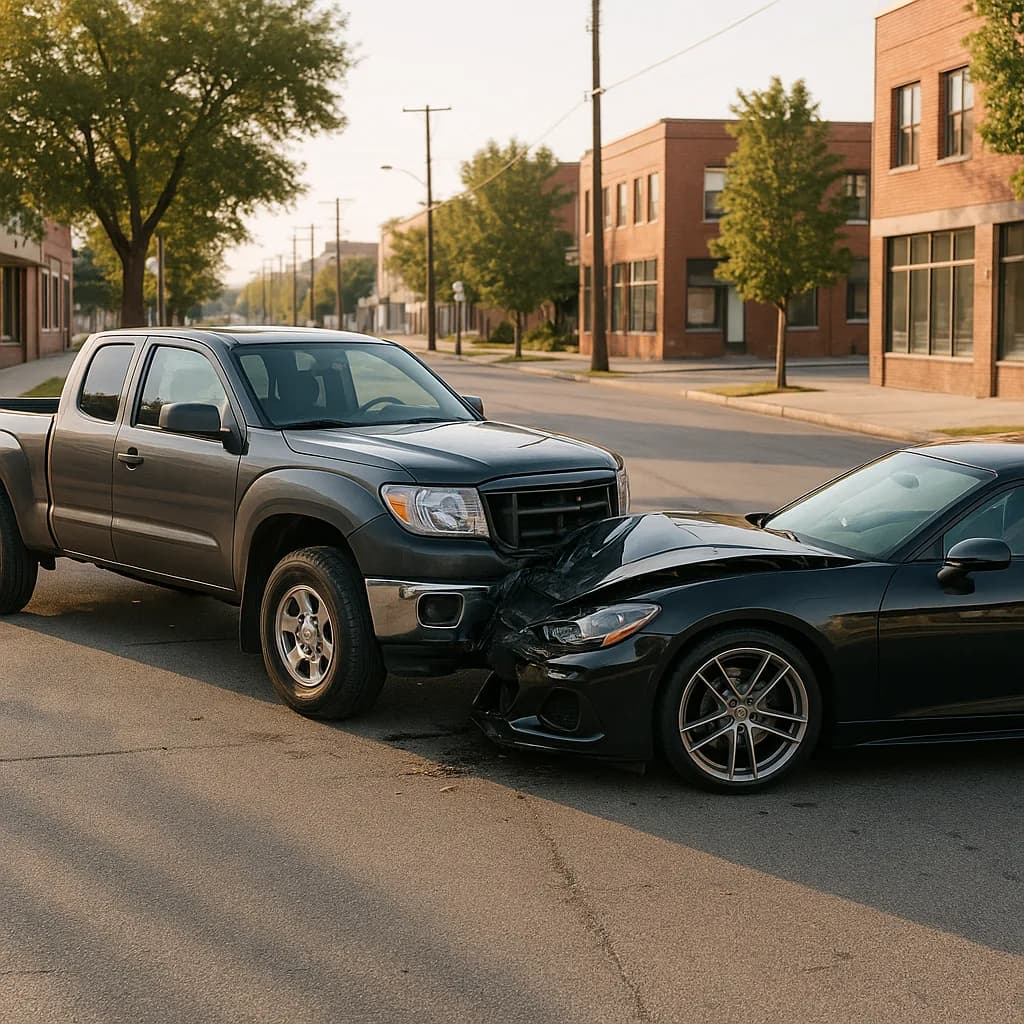
When you cause an accident while driving a borrowed car, the car owner's liability policy pays first. This is called primary coverage. If the damages you caused exceed the owner's liability limits—for example, the owner carries $25,000 per person in bodily-injury coverage but you injured someone whose medical bills total $40,000—your non-owner policy pays the $15,000 excess up to your own policy limits. If your non-owner policy carries $50,000 per person, you're covered. If it carries only $25,000, you're personally liable for the remaining $15,000.
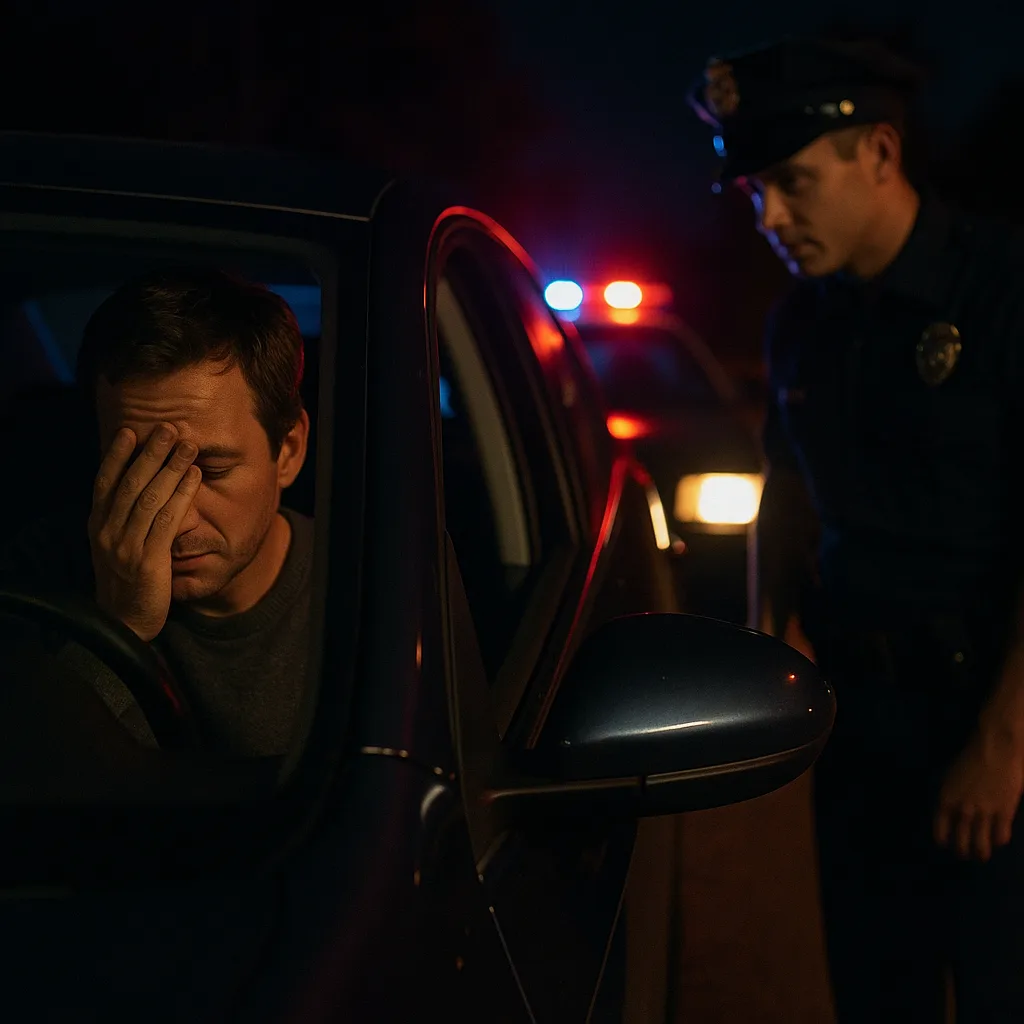
Your non-owner policy also activates if the car owner's policy excludes you as a driver. Some owners add named-driver exclusions to lower their premiums, explicitly removing coverage for specific household members or frequent borrowers. If you're excluded and cause an accident, the owner's policy pays nothing and your non-owner policy becomes primary. This scenario is rare but catastrophic if you lack your own coverage, because you're personally liable for all damages with no insurance layer protecting you.
Related Articles
What Happens to the Borrowed Car After an Accident
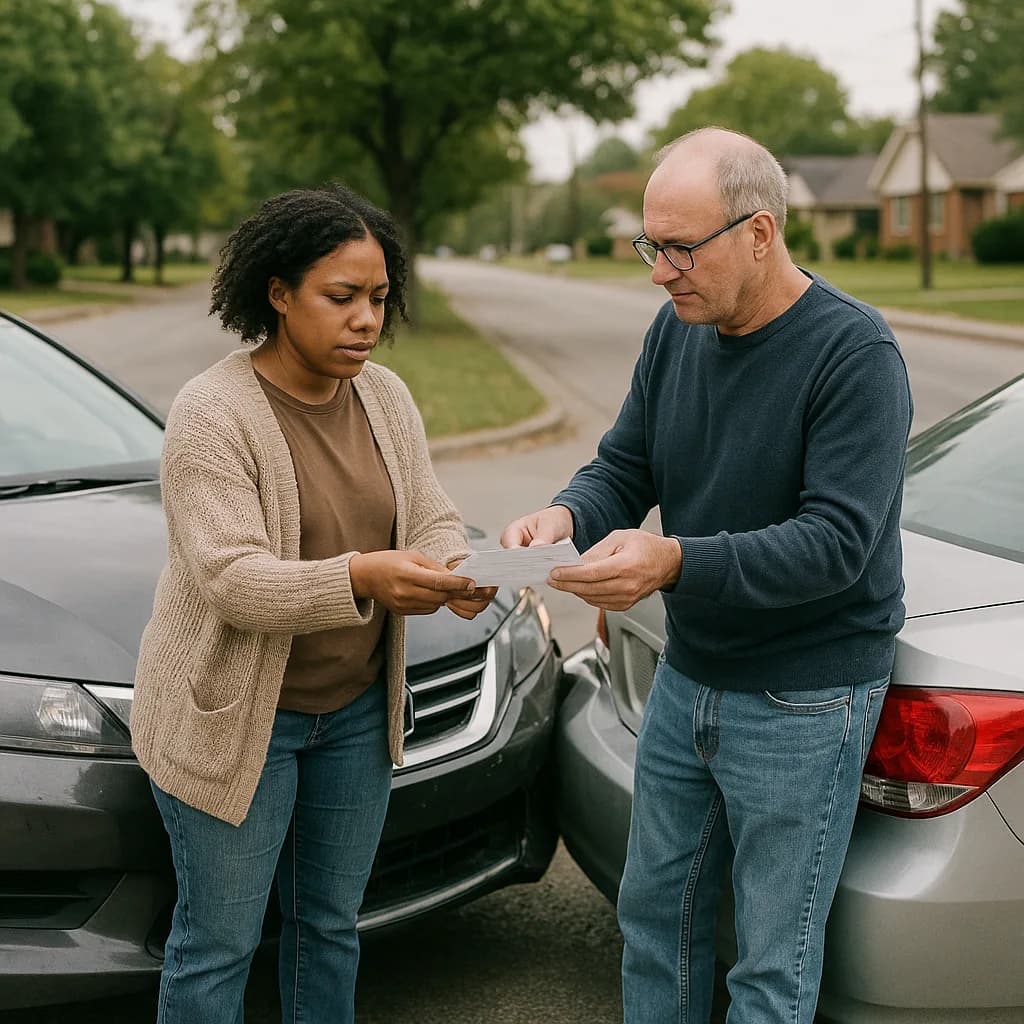
If you cause an accident while driving a borrowed car, your non-owner policy does not pay to repair the borrowed vehicle. The car owner's collision coverage pays for repairs to their own car, minus their deductible. If the owner carries only liability coverage and no collision, the car is not repaired by insurance at all—the owner either pays out of pocket or the car remains damaged.
This creates a common friction point for borrowers who assume a non-owner policy protects the car they're driving. It does not. The policy protects you from personal liability for injuries and property damage you cause to others. The borrowed car's physical condition is the owner's insurance responsibility, not yours, unless the owner has no collision coverage and pursues you personally for repair costs.
If the car owner does pursue you for repair costs after an accident you caused, your non-owner policy provides no coverage for that claim. You would be personally liable unless the owner's collision coverage already paid for the repairs. This is why frequent borrowers often coordinate with the car owner to confirm the owner carries collision coverage before driving regularly.
National Non-Owner Writers
17 carriers
Seventeen of the thirty-four major carriers tracked nationally write non-owner policies, but availability varies significantly by state. Geico, Progressive, and USAA write non-owner coverage in all fifty-one jurisdictions; State Farm writes it in only one.
Verified carrier roster by state, 2026
When the Car Owner's Policy Excludes You
Some car owners add named-driver exclusions to their policies to reduce premiums. An exclusion explicitly removes coverage for a specific person, often a household member with a poor driving record or a frequent borrower the owner does not want covered under their liability limits. If you're excluded and cause an accident, the owner's policy pays nothing and your non-owner policy becomes the primary and only layer of insurance protecting you from personal liability.
This scenario makes a non-owner policy essential rather than optional. Without your own coverage, you're personally liable for all bodily-injury and property-damage claims resulting from the accident, with no insurance to pay on your behalf. If you regularly borrow a car from someone who has excluded you from their policy, verify that your non-owner policy limits meet or exceed your state's minimum liability requirements and consider carrying higher limits to protect your personal assets.
Compare Carriers That Write Non-Owner Policies
Not all carriers write non-owner policies, and availability varies by state. Geico, Progressive, and USAA write non-owner coverage in all fifty-one jurisdictions. Dairyland writes it in thirty-eight states, The General in forty-five, and GAINSCO in twenty-two. State Farm writes non-owner policies in only one state, making it unavailable as a national option for most borrowers.
Compare quotes from at least three carriers that write non-owner policies in your state. Verify that each quote meets your state's minimum liability requirements and includes uninsured-motorist coverage if your state requires it. Confirm with the carrier that the policy will remain active if you later purchase a car, or clarify the conversion process if you plan to buy a vehicle within the policy term.