The Gap Between Cars
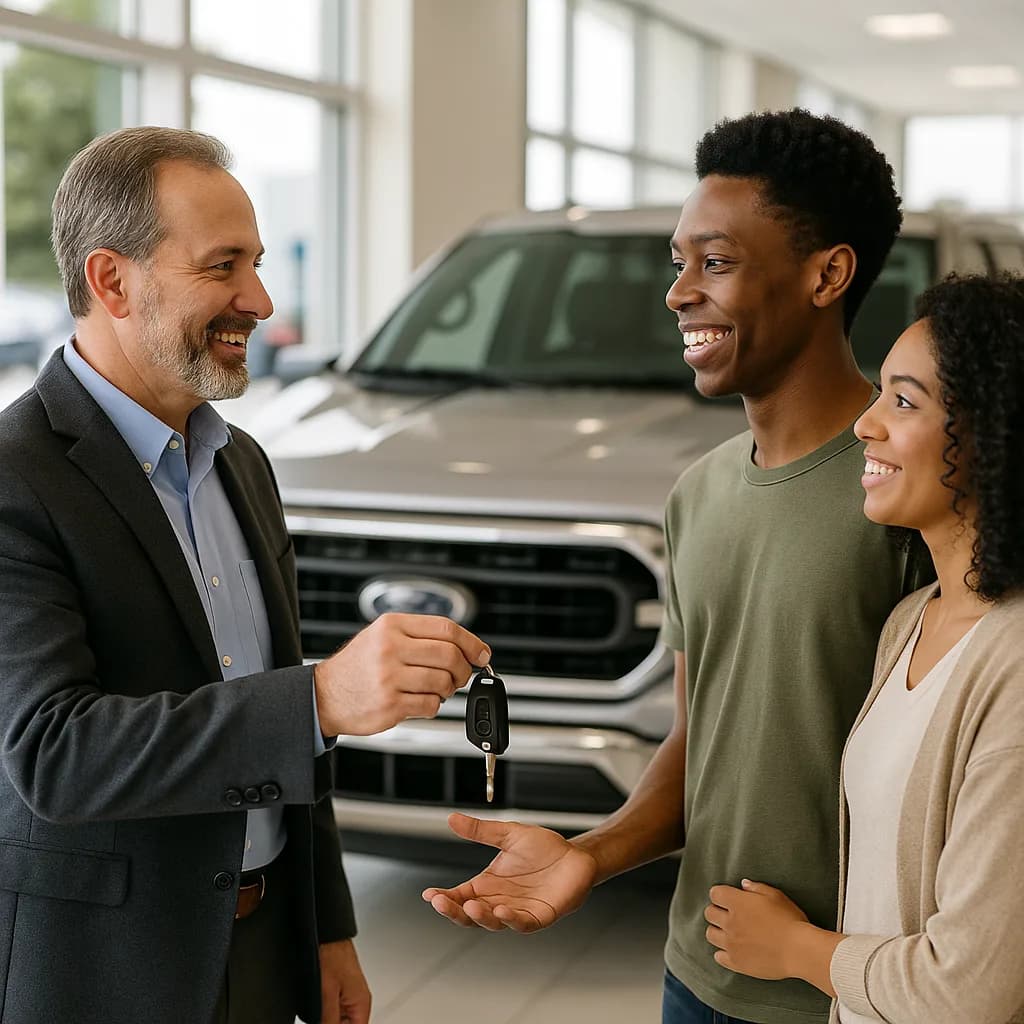
You sold your car last week, or you're about to. You won't buy the next one for a month, maybe three. Your current policy covers a vehicle you no longer own, and canceling it opens a coverage gap that your state's insurance-verification system will record the moment the lapse hits. That gap raises your rates when you buy again, and in some states it triggers a reinstatement fee or a filing requirement you didn't have before.
A non-owner policy closes that gap. It's liability-only coverage that follows you, not a vehicle, and it costs a fraction of what you paid to insure the car you just sold. It preserves your continuous-coverage history, keeps you legal if you borrow or rent a car during the gap, and prevents the state from flagging you as uninsured.
Get non-owner SR-22 coverage without owning a vehicle
Compare carriers that offer non-owner policies with SR-22 filing — required for reinstatement in most states.
Get Your Free QuoteNational Non-Owner Premium
$37–$46/mo
Non-owner policies cost significantly less than standard auto insurance because they carry no collision or comprehensive coverage. The policy covers only your liability when driving a car you don't own.
MoneyGeek/Insurify/Insure.com 2026 non-owner analysis
What a Non-Owner Policy Actually Covers
A non-owner policy is liability-only by design. It covers bodily injury and property damage you cause while driving someone else's car, a rental, or a car-share vehicle. It does not cover collision or comprehensive damage to any vehicle, because you own no vehicle to repair. It is secondary coverage: if the car you're driving has its own policy, that policy pays first, and your non-owner policy fills gaps or covers excess liability.
Most non-owner policies include uninsured-motorist coverage, which protects you if you're hit by a driver with no insurance or insufficient limits. Some states require uninsured-motorist coverage on every liability policy, including non-owner. The policy does not cover personal injury protection (PIP) tied to an owned vehicle, because there is no owned vehicle. It exists to keep you legally insured and preserve your coverage history while you're between cars.
The policy terminates the day you buy a car and register it in your name. At that point you need a standard auto policy that covers the vehicle you own. Most carriers will not let you hold both a non-owner policy and a standard policy simultaneously, because the non-owner policy is designed for drivers who own no car.
A coverage lapse of 30 days or more raises your future rates by 8% to 35%, depending on the state and your driving history.
How the Gap Affects Your Rates
When you apply for a new policy after a lapse, the carrier pulls your insurance history from the state's verification system or from a third-party database that tracks coverage gaps. A lapse of 30 days raises your premium by 8% to 35% compared to a driver with no gap. A lapse of 60 days or more can double that penalty. The penalty persists for three to five years, depending on the carrier's underwriting rules.
Some states impose their own penalties. In Virginia, a lapse triggers an uninsured-motorist fee of $500 per vehicle, payable to the DMV, even if you owned no vehicle during the gap. In California, a lapse can require you to file an SR-22 certificate for three years to prove continuous future coverage. In Florida, a lapse of more than 30 days without an acceptable reason suspends your license until you pay a reinstatement fee and provide proof of coverage. A non-owner policy prevents all of these outcomes by maintaining continuous coverage through the gap.
Related Articles

Who Writes Non-Owner Policies
Not every carrier writes non-owner policies. Of the 34 major carriers licensed across the U.S., 17 write non-owner coverage in at least some states. Geico, Progressive, and USAA (military-affiliated only) write non-owner policies in all 51 jurisdictions. The General writes them in 45 states. Dairyland writes them in 38. State Farm writes non-owner policies in only one state, so it is not a national option for this coverage.
Carrier availability varies by state. In some states, the non-owner pool shrinks to six or eight carriers. In others, it expands to fifteen. The state you live in determines which carriers will quote you, and the carrier you choose determines whether the policy will convert to a standard policy when you buy your next car. Some carriers require you to cancel the non-owner policy and start fresh with a standard policy. Others convert the non-owner policy to a standard policy automatically, preserving your effective date and avoiding a second application.
If you're between cars for a short period—less than 90 days—ask the carrier whether they offer a conversion option. If the gap will last longer, prioritize continuous coverage over conversion convenience. A lapse costs more than starting fresh with a new carrier when you buy.
SR-22 Filing Jurisdictions
36 states
In 36 states, a coverage lapse can trigger a mandatory SR-22 filing requirement for drivers with certain violations or prior lapses. The SR-22 filing period ranges from 6 months to 5 years, with 3 years being the most common. A non-owner policy can carry an SR-22 if required.
State insurance department data, verified 2026
When the Gap Becomes a Filing Requirement
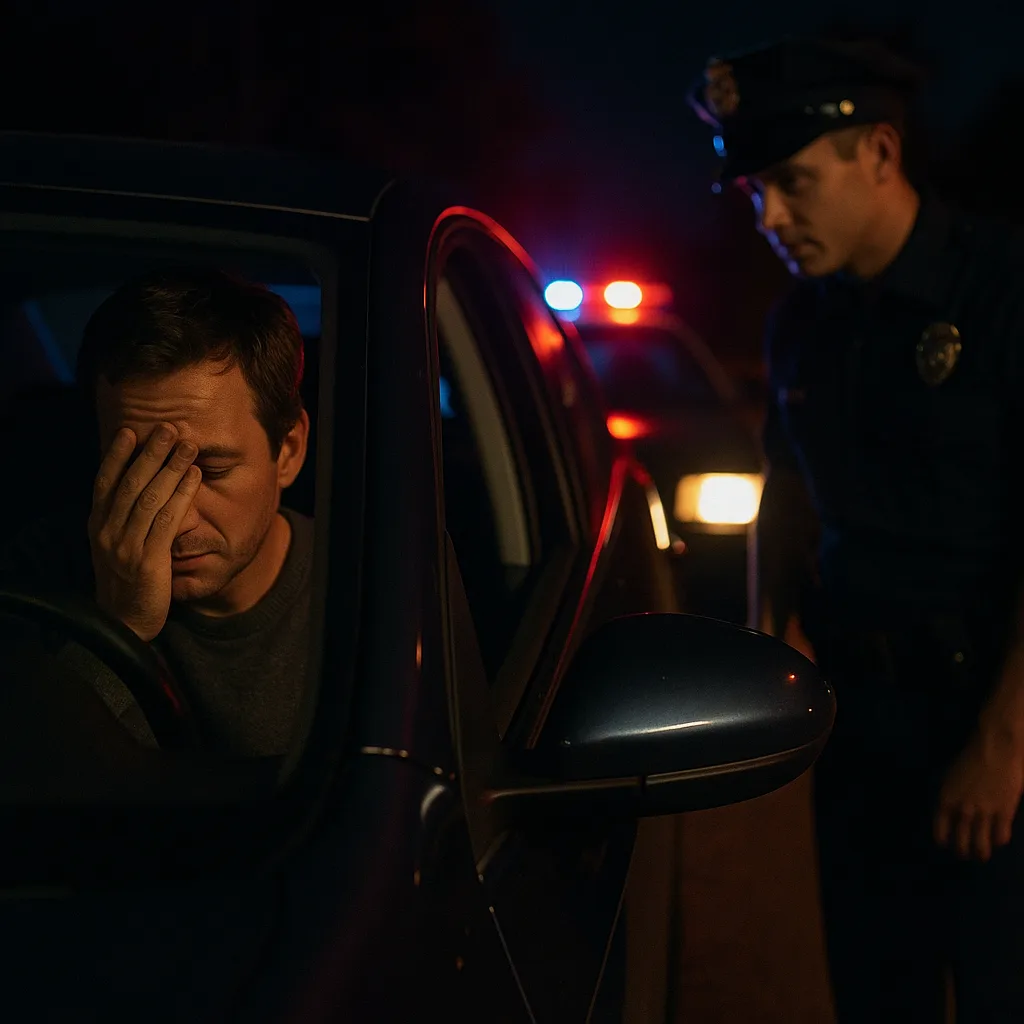
In some states, a lapse of more than 30 days after a DUI, reckless-driving conviction, or uninsured-driving citation triggers a mandatory SR-22 filing requirement. The SR-22 is a certificate your insurance carrier files with the state to prove you carry at least the state minimum liability limits. You must maintain the SR-22 for the full filing period—typically three years—without a lapse. If your coverage lapses during the filing period, the carrier notifies the state, and the filing clock resets to zero.
A non-owner policy can carry an SR-22. If you sold your car but still owe an SR-22 filing, a non-owner SR-22 policy satisfies the state's requirement without requiring you to own a vehicle. The carrier files the certificate electronically, and the state tracks it in real time. If you cancel the policy or let it lapse, the state receives a termination notice within 24 hours, and your license suspends immediately. A non-owner SR-22 policy prevents that outcome by keeping the filing active through the gap between cars.
What Happens When You Buy Again
The day you buy your next car and register it, your non-owner policy terminates. You cannot insure an owned vehicle with a non-owner policy. You need a standard auto policy that covers collision and comprehensive damage to the vehicle you own. Most carriers require you to cancel the non-owner policy before they will issue the standard policy, because holding both simultaneously creates overlapping liability coverage the carrier will not underwrite.
If your non-owner policy carried an SR-22, the new standard policy must also carry an SR-22, and the carrier must file it before you cancel the non-owner policy. If you cancel the non-owner SR-22 before the new SR-22 is filed, the state receives a termination notice and your license suspends. The correct sequence: buy the car, apply for the standard policy with SR-22, wait for the carrier to confirm the new SR-22 is filed, then cancel the non-owner policy. The gap between the two filings should be zero days. Most carriers coordinate this automatically if you tell them you're converting from non-owner to standard, but verify the sequence before you cancel.
Compare Carriers That Write Your Situation
Non-owner policies are not commodities. Rates vary by 40% to 60% between carriers for the same driver, and availability varies by state. Some carriers accept drivers with recent violations or lapses; others do not. Some offer conversion to a standard policy when you buy; others require you to start fresh. The carrier you choose determines whether you stay continuously covered through the gap and whether the policy will adapt when your situation changes. Compare carriers that write non-owner policies in your state, verify they accept your driving history, and confirm the policy will carry an SR-22 if you need one. The right carrier closes the gap without creating a new one when you buy your next car.