The Non-Owner Carrier Availability Problem
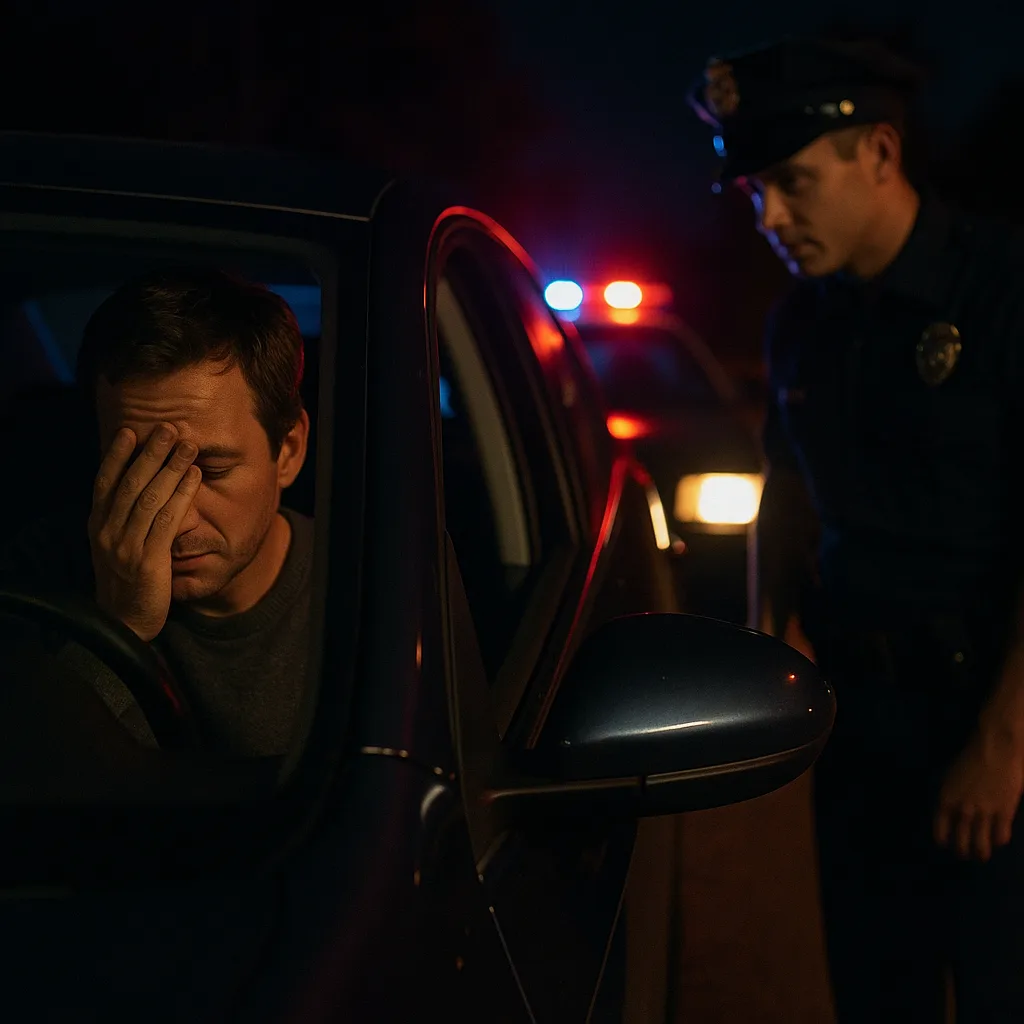
You call a carrier advertising non-owner insurance, answer the intake questions, and the quote system rejects you without explanation. Or the agent quotes a policy but says they can't file an SR-22 without a vehicle on the policy. Or the underwriting department declines after you disclose the violation that triggered your filing requirement. The carrier writes non-owner policies—just not for your situation, in your state, or with the certificate filing your court order demands.
Non-owner insurance is a liability-only product designed for drivers who need coverage but don't own a vehicle. It covers bodily-injury and property-damage liability when you drive a car you don't own—a borrowed vehicle, a rental, or a car-share—and sits as secondary coverage behind any policy on that car. It never includes collision or comprehensive because there's no owned vehicle to repair. For drivers ordered to file an SR-22 or FR-44 certificate, a non-owner policy is often the only way to satisfy the state's proof-of-financial-responsibility requirement without owning a car to insure.
Get non-owner SR-22 coverage without owning a vehicle
Compare carriers that offer non-owner policies with SR-22 filing — required for reinstatement in most states.
Get Your Free QuoteNational Non-Owner SR-22 Writers
5 carriers
Geico, Progressive, The General, Dairyland, and GAINSCO write non-owner policies and file SR-22 certificates in most states. USAA writes non-owner in all 51 jurisdictions but restricts eligibility to military-affiliated drivers. State Farm writes non-owner in only one of 51 jurisdictions—never present it as a national option.
Verified carrier roster by state, auto_insurance_carriers_by_state
What a Non-Owner Policy Actually Covers
A non-owner policy carries your state's minimum liability limits—bodily injury per person, bodily injury per accident, and property damage—and usually includes uninsured/underinsured motorist coverage where your state requires it. It does not cover physical damage to any vehicle you drive. Collision and comprehensive exist to repair an owned vehicle; a non-owner policy insures no owned vehicle, so those coverages are structurally absent.
The policy is secondary. When you drive a car someone else owns, that car's policy responds first to any liability claim. Your non-owner policy sits behind it, covering you only when the car's policy limits are exhausted or when you drive a vehicle with no coverage at all. This secondary structure is why non-owner premiums are lower than standard auto policies—the carrier's exposure is limited to gaps the primary policy doesn't cover.
For SR-22 or FR-44 filers, the non-owner policy serves a compliance function: it keeps an active insurance policy on file with the state and allows the carrier to file the certificate on your behalf. The certificate itself is not insurance—it's proof to the state that you carry continuous liability coverage meeting the required minimums. If the policy lapses, the carrier notifies the state, your filing terminates, and in 33 of the 36 SR-22 states the filing clock resets to day one.
Most national carriers write non-owner policies in some states but refuse SR-22 filings without an owned vehicle—availability depends on your state and your violation type.
Which Carriers Write Non-Owner and File SR-22
Geico and Progressive write non-owner policies in all 51 jurisdictions and file SR-22 in the 36 states that require it. Both operate standard and non-standard underwriting tiers. Geico's non-owner product is available through its standard division for drivers with clean records and through its high-risk subsidiary for drivers with violations. Progressive underwrites non-owner SR-22 through its standard and specialty divisions depending on the violation type and the state's filing requirements. Both carriers quote online and by phone, and both file certificates electronically with most state DMVs within 24 to 48 hours of policy binding.
The General, Dairyland, and GAINSCO specialize in non-standard auto insurance and write non-owner policies for drivers with violations, suspensions, and DUI convictions. The General operates in 45 states and files SR-22 in all of them. Dairyland operates in 38 states and files SR-22 where required. GAINSCO operates in 22 states, concentrated in the South and Midwest, and files SR-22 in all markets it serves. All three underwrite for high-risk drivers by design—their non-owner products assume the applicant carries a violation or a lapse, and their underwriting does not penalize those factors the way a standard carrier would. USAA writes non-owner in all 51 jurisdictions but restricts eligibility to active-duty military, veterans, and their families.
Related Articles




State-Specific Carrier Rosters and Filing Rules
Carrier availability is state-specific. A company writing non-owner policies in Texas may refuse them in Ohio. A carrier filing SR-22 in Florida may not file FR-44 even though Florida requires it for DUI offenders. The five national carriers listed above operate in most states, but your state's roster determines which are licensed to write coverage and file certificates where you live.
SR-22 filing periods range from six months to five years depending on your state and the violation that triggered the requirement. Three years is the most common. FR-44 exists only in Florida and Virginia and carries higher liability minimums than an SR-22—$100,000 per person and $300,000 per accident in both states, compared to standard state minimums of $25,000 and $50,000. Filing fees are set by the carrier and the state; many states publish no fixed fee, and the carrier discloses the amount at the time of quote.
In 33 of the 36 SR-22 states, a coverage lapse resets the filing clock. If your non-owner policy cancels for non-payment or you let it lapse intentionally, the carrier notifies the state within 24 hours, your filing terminates, and the state restarts your three-year period from the date you file a new certificate. The lapse also triggers a license suspension in most states, adding reinstatement fees and extending the timeline before you can drive legally again.
Your state page on this site lists the carriers licensed to write non-owner policies in your state, the liability minimums your non-owner policy must carry, and the filing period and fees for your violation type. Use that page to filter the national carrier roster to the companies actually operating where you live.
Most Common SR-22 Filing Period
3 years
SR-22 filing periods range from six months to five years depending on state and violation type, but three years is the most common duration. In 33 of the 36 SR-22 states, a coverage lapse resets the clock to day one—the filing period restarts from the date you file a new certificate, not the original conviction date.
State filing-period data, auto_insurance_violation_rules
High-Risk Specialists vs Standard Carriers
The General, Dairyland, and GAINSCO underwrite for drivers with violations by design. Their non-owner products assume the applicant has a DUI, a suspension, or a lapse on record, and their underwriting does not penalize those factors the way Geico's or Progressive's standard divisions would. If your violation is recent or severe—DUI within the past three years, multiple at-fault accidents, a suspended license—you will likely receive better rates and faster approval from a high-risk specialist than from a standard carrier's non-standard tier.
Geico and Progressive operate both standard and non-standard underwriting divisions. If your record is clean or your violation is older than three years, their standard divisions may quote competitive rates for a non-owner policy without the SR-22 filing. If your violation is recent or your license is currently suspended, their quote systems route you to their high-risk subsidiaries, which underwrite similarly to The General and Dairyland but may charge higher premiums depending on the state and the violation type. USAA's non-owner product is available only to military-affiliated drivers and underwrites through a standard process—eligibility depends on your service status, not your driving record.
Compare Carriers That Write Your State and File Your Certificate
Start with your state page to identify which of the five national carriers operate where you live and file the certificate type your court order or DMV letter requires. If you need an SR-22, confirm the carrier writes non-owner policies and files SR-22 in your state. If you need an FR-44, confirm the carrier operates in Florida or Virginia and files FR-44 certificates—most non-owner writers refuse FR-44 filings even in those two states. If your violation is a DUI, a suspension, or a recent at-fault accident, prioritize The General, Dairyland, and GAINSCO over Geico and Progressive unless the latter's quote systems route you to their high-risk divisions and return competitive rates. Request quotes from at least three carriers that write your situation, compare the liability limits and the filing fees, and bind the policy that meets your state's minimums and files your certificate within the timeline your court order or reinstatement letter specifies.