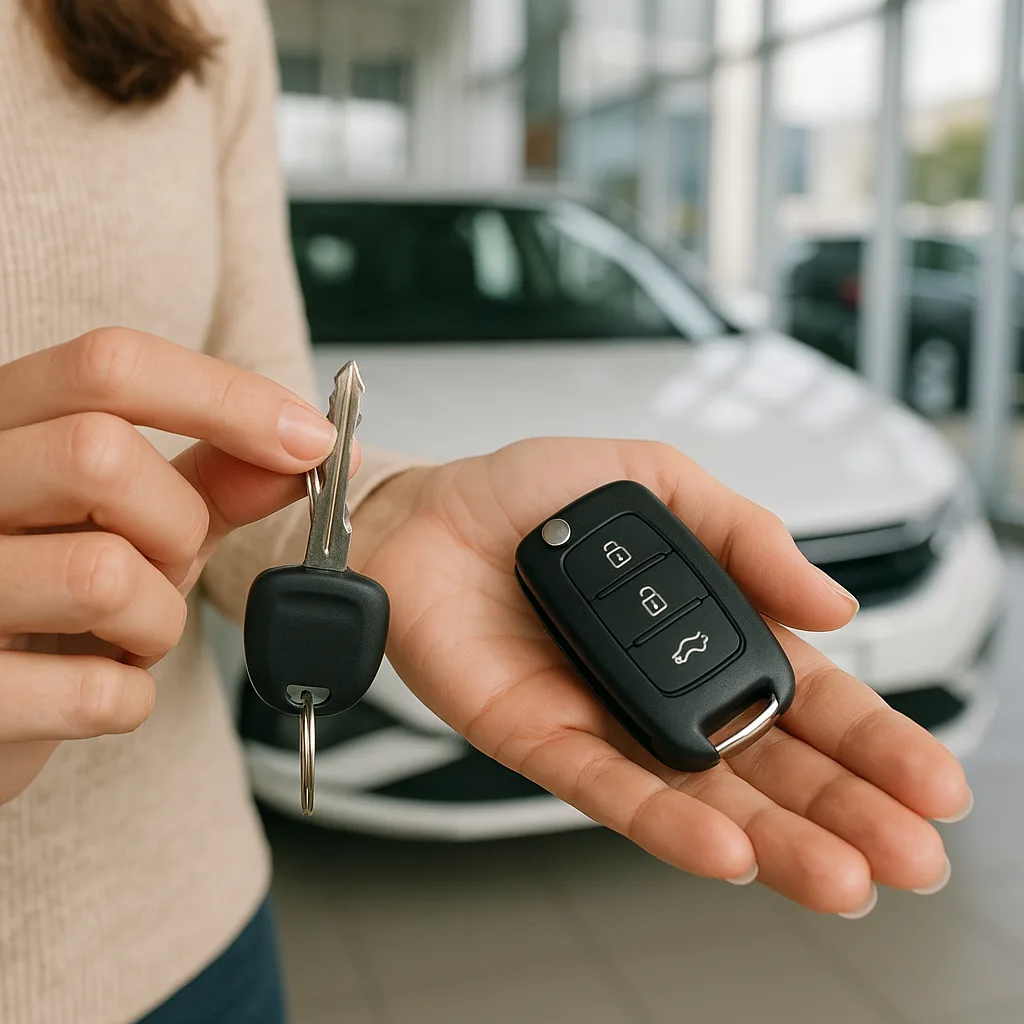
When You Drive Cars You Don't Own
You borrow a friend's car twice a week. You rent vehicles for work trips. You use a car-share service for errands. You drive regularly but own no vehicle, and you want liability protection that follows you instead of depending on someone else's policy. A non-owner car insurance policy is built for this situation—it provides bodily-injury and property-damage liability coverage when you drive a car you do not own, and it sits as secondary coverage behind any policy on the vehicle you're actually driving.
The structural reality occasional drivers miss: a non-owner policy is not primary coverage. It does not replace the car owner's insurance, and it does not cover physical damage to the car you borrow. It is liability-only by design, and it pays only after the car owner's policy exhausts its limits or when that policy excludes you as a driver. Understanding this hierarchy is the difference between coverage that protects you and a claim denial you did not see coming.
Get non-owner SR-22 coverage without owning a vehicle
Compare carriers that offer non-owner policies with SR-22 filing — required for reinstatement in most states.
Get Your Free QuoteNational Non-Owner Premium Range
$37–$46/mo
Non-owner policies cost significantly less than standard auto insurance because they carry no collision or comprehensive coverage and insure driver risk only, not vehicle value. Individual rates vary by driving history, state minimum liability requirements, and carrier underwriting.
MoneyGeek/Insurify/Insure.com 2026 non-owner rate analysis
What Non-Owner Liability Actually Covers
A non-owner policy provides bodily-injury liability and property-damage liability at or above your state's minimum required limits. If you cause an accident while driving a borrowed car and injure someone or damage their property, your non-owner policy pays after the car owner's liability coverage is exhausted. State minimum bodily-injury liability ranges from $15,000 to $50,000 per person across the U.S., with $25,000 the most common floor. Property-damage minimums range from $5,000 to $50,000, with $25,000 most common.
Most non-owner policies also include uninsured-motorist coverage, which protects you when the at-fault driver carries no insurance or insufficient limits. Twenty-two states require uninsured-motorist coverage by law. What a non-owner policy never includes: collision coverage, comprehensive coverage, or any physical-damage protection for the car you drive. Those coverages insure an owned vehicle, and you own none.
The secondary-coverage structure means the car owner's policy pays first. Your non-owner liability kicks in only when the owner's policy limit is exceeded or when the owner's policy excludes you as a driver. If you borrow a household member's car regularly and that household member's insurer excludes you by name, your non-owner policy becomes primary for your driving—but if the owner's policy covers you, that policy pays first and your non-owner policy sits as backup.
The car owner's insurance pays first. Your non-owner policy is backup coverage that activates only when the owner's limits are exhausted or when you're excluded from their policy.
Who Writes Non-Owner Policies Nationally
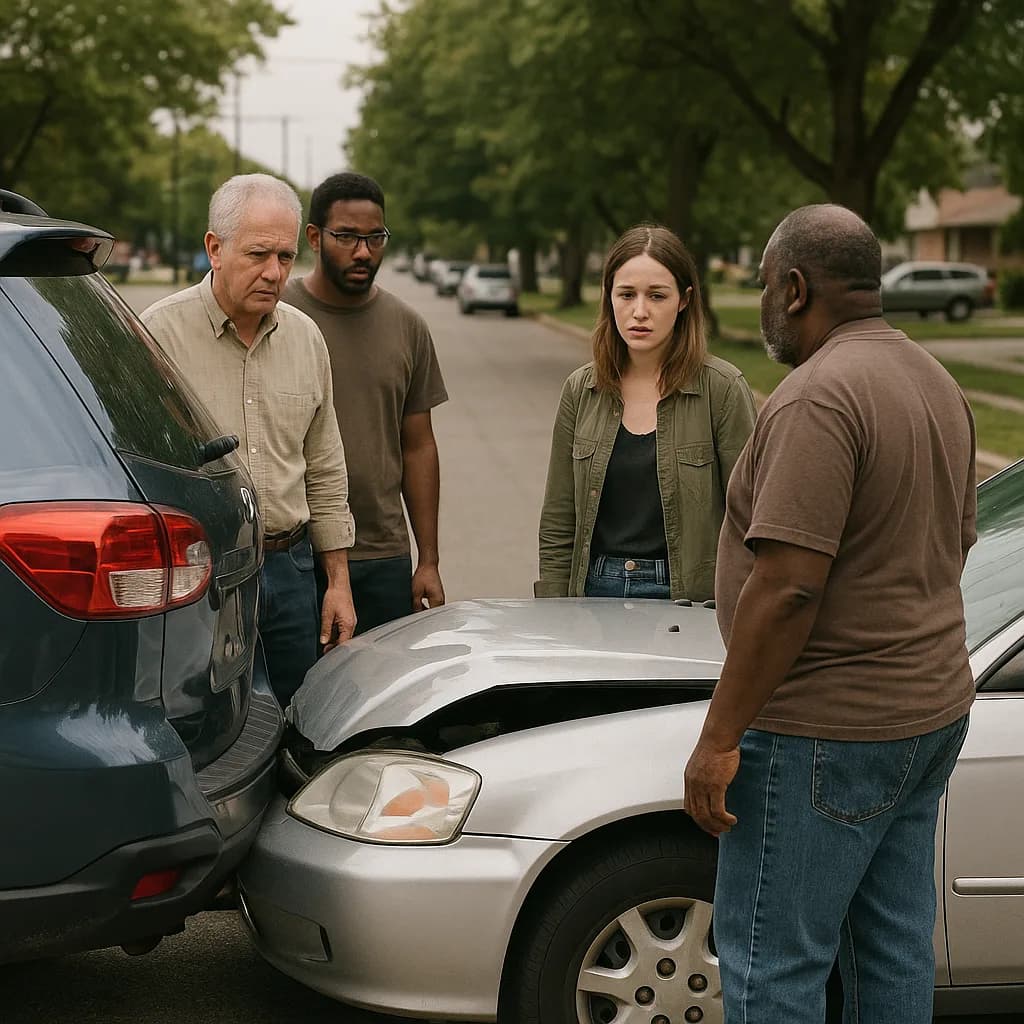
Geico and Progressive write non-owner policies in all 51 jurisdictions and file SR-22 certificates in the 36 states that require them. The General writes non-owner coverage in 45 states, Dairyland in 38, and GAINSCO in 22. USAA writes non-owner policies in all 51 jurisdictions but restricts eligibility to military-affiliated drivers. State Farm writes non-owner coverage in only one state—never present State Farm as a national non-owner option.
Carrier acceptance depends on your driving record. Post-violation applicants face a smaller pool: carriers writing non-owner policies for high-risk drivers number 18 nationally, and state-level availability narrows further. If you need an SR-22 or FR-44 filing without a car, the carrier must write both non-owner coverage and file the certificate in your state—a combination that shrinks the pool to single digits in some jurisdictions.
Related Articles

When Non-Owner Coverage Makes Sense
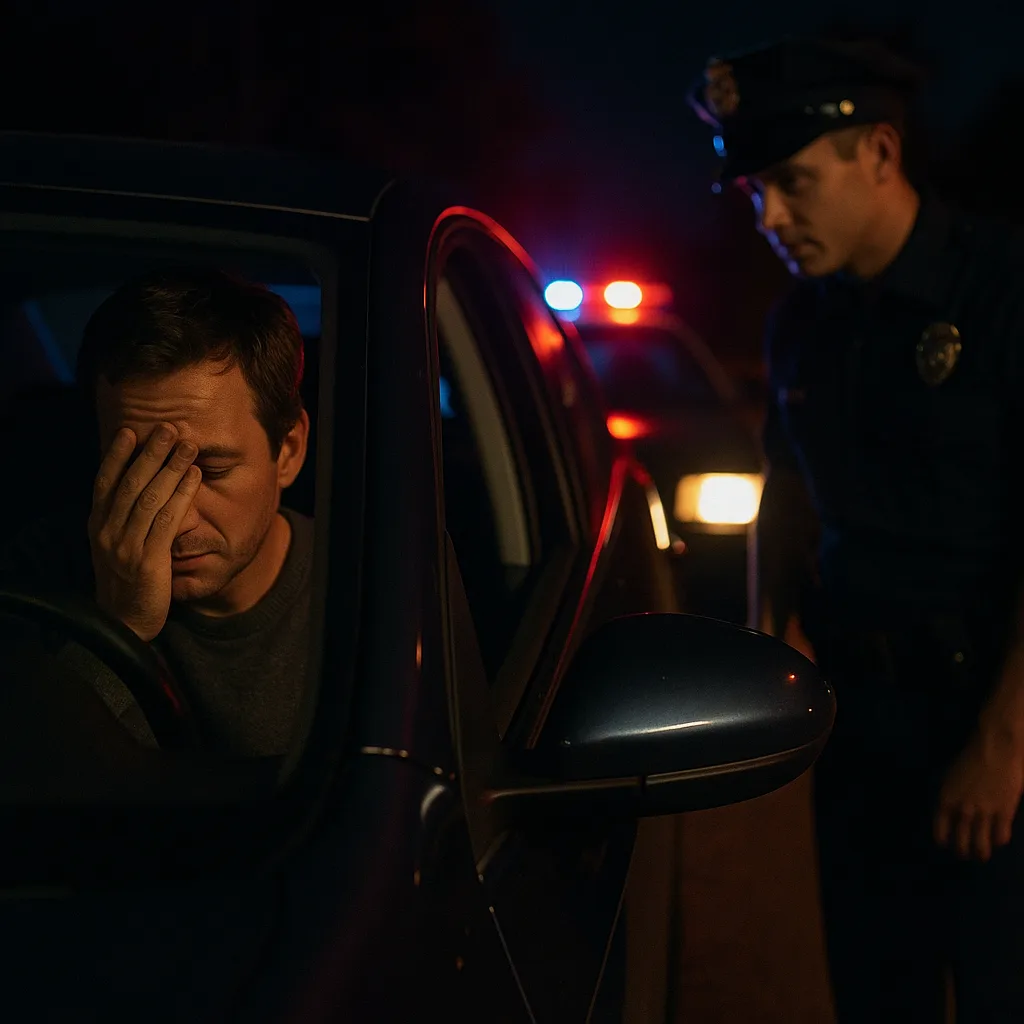
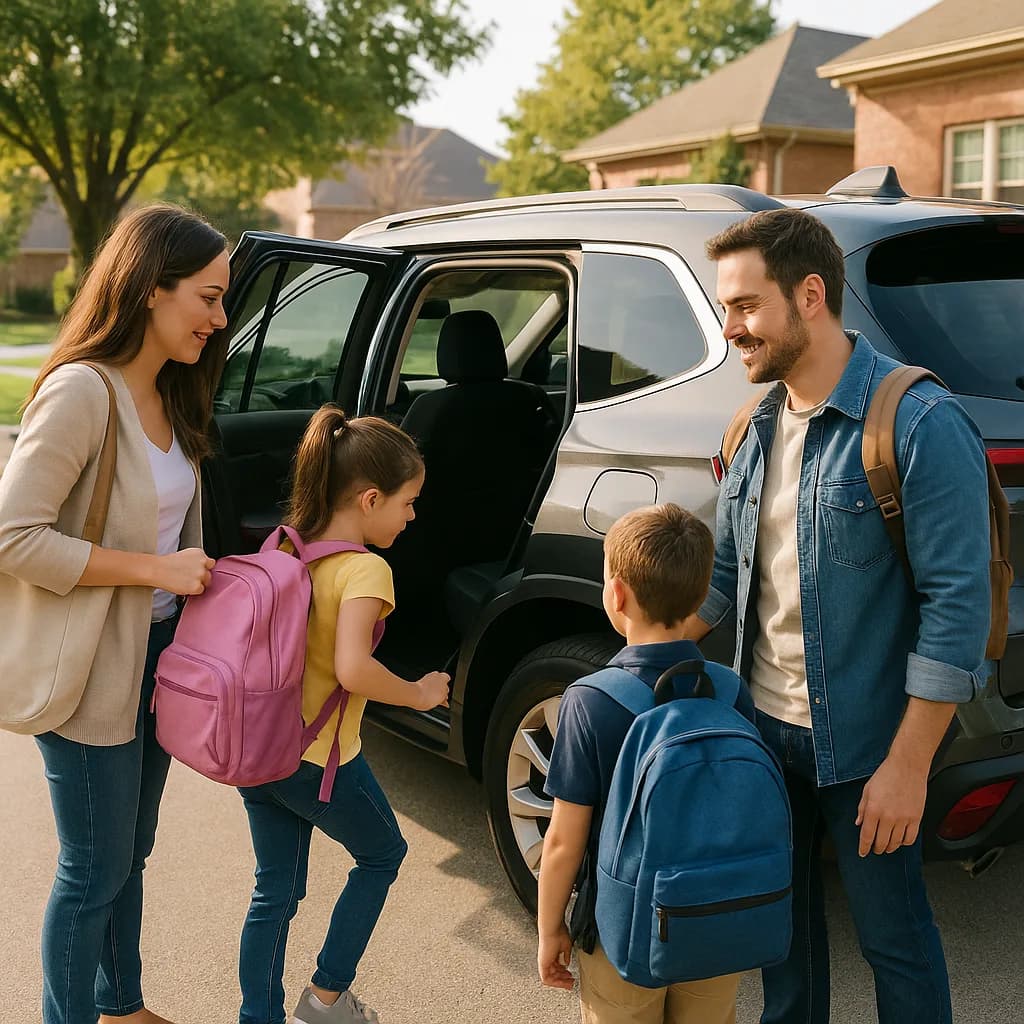
You borrow a household member's car multiple times per week, and their insurer excludes you from their policy because you're a regular driver. A non-owner policy becomes your primary liability coverage for those trips. You rent cars frequently for work or travel, and you want liability limits higher than the rental agency's minimum—your non-owner policy provides that excess liability without paying the rental counter's daily rate. You use car-share services and want uninsured-motorist protection that the car-share agreement does not provide.
You sold your car and plan to buy another within six months, and you want to maintain continuous coverage to avoid a lapse penalty when you reinsure. Most states penalize coverage gaps with higher premiums or reinstatement fees, and a non-owner policy keeps your insurance history unbroken. You do not own a car now but expect to own one soon, and you want to build an insurance history that qualifies you for better rates when you do buy.
Non-owner coverage does not make sense when the car owner's policy already covers you as an occasional driver and you drive infrequently. Paying for redundant secondary coverage wastes premium. It also does not make sense if you never drive—walking, biking, or using public transit exclusively means you carry no liability exposure that a non-owner policy would address.
Uninsured-Motorist Mandate Count
22 states
Twenty-two states require uninsured-motorist coverage by law, and most non-owner policies include it automatically. This coverage protects you when the at-fault driver carries no insurance or insufficient limits to cover your injuries.
NAIC state insurance requirement data
The Coverage Hierarchy in a Claim
You borrow a friend's car and cause an accident that injures the other driver. The other driver's medical bills total $40,000. Your friend's auto policy carries the state minimum bodily-injury limit of $25,000 per person. That policy pays its $25,000 limit first. Your non-owner policy then pays the remaining $15,000, up to your own policy's per-person limit. If your non-owner policy also carries only the $25,000 state minimum, you are personally liable for the $15,000 gap unless you carry higher limits.
This is why occasional drivers who borrow cars regularly should carry non-owner liability limits higher than the state minimum. The car owner's policy exhausts quickly in a serious accident, and your non-owner policy becomes the only coverage protecting you from personal liability. Raising your bodily-injury limit to $50,000 per person and $100,000 per accident costs more per month but eliminates most gap exposure.
Compare Carriers That Write Your Situation
Carrier availability varies by state, and not every carrier that writes non-owner policies accepts occasional drivers with recent violations or lapses. Start with Geico and Progressive—both write non-owner coverage in all states and accept a wide range of driver profiles. If you need an SR-22 filing because of a suspension or DUI, verify that the carrier writes both non-owner policies and files the required certificate in your state before applying.
Request quotes from at least three carriers. Non-owner premiums vary by carrier underwriting, and the lowest rate for a clean-record occasional driver may not be the lowest rate for a driver with points or a recent lapse. Compare liability limits, not just monthly premiums—a policy with higher limits costs more per month but protects you from personal liability exposure that the state minimum does not cover. Use your state page to identify carriers licensed to write non-owner coverage where you live and verify current state minimum liability requirements.