Who Writes Non-Owner Policies in Colorado
Six carriers write non-owner car insurance and file SR-22 certificates in Colorado: Geico, Progressive, The General, Dairyland, Bristol West, and USAA (military-affiliated only). If you need an SR-22 after a DUI, uninsured-driving suspension, or other violation, these are the only insurers verified to write a non-owner policy that satisfies Colorado's three-year filing requirement without an owned vehicle to list.
A non-owner policy is liability-only coverage that follows you, not a car. It meets Colorado's $25,000 per person / $50,000 per accident bodily-injury minimum and $15,000 property-damage floor. It never includes collision or comprehensive because you own no vehicle to repair. The policy is secondary: if you borrow or rent a car, the owner's insurance pays first and your non-owner policy covers the gap.
Get non-owner SR-22 coverage without owning a vehicle
Compare carriers that offer non-owner policies with SR-22 filing — required for reinstatement in most states.
Get Your Free QuoteColorado SR-22 Filing Period
3 years
Colorado requires SR-22 filing for three years after insurance-related suspensions, measured from the filing date. A lapse in coverage during that period resets the clock to day one and triggers a new suspension.
Colorado DMV reinstatement requirements
What a Non-Owner Policy Does and Does Not Cover
A non-owner policy covers bodily injury and property damage you cause while driving a car you do not own. It does not cover damage to the car you are driving—that falls to the owner's collision or comprehensive coverage, or you pay out of pocket. If you borrow a household member's car daily, your non-owner policy sits behind their policy and covers liability above their limits.
The policy also does not cover a car you own, lease, or have regular access to. If you buy a vehicle while the non-owner policy is active, you must convert to a standard auto policy immediately or the non-owner coverage becomes void for that car. Most carriers allow conversion without penalty, but you must notify them the day you take possession.
Uninsured and underinsured motorist coverage is typically included at the state minimum, protecting you if the at-fault driver lacks adequate insurance. Personal injury protection (PIP) is not required in Colorado and is not part of a non-owner policy because PIP ties to an owned vehicle's registration.
Not every carrier that writes non-owner coverage also files SR-22 certificates. Quoting a non-owner policy without confirming SR-22 capability wastes time and delays your reinstatement.
How to Compare Non-Owner Carriers in Colorado

Geico and Progressive write the broadest range of non-owner policies and file SR-22 certificates electronically, typically within one business day. Both quote online and allow you to bind coverage immediately. The General and Dairyland specialize in non-standard and high-risk drivers, including those with DUI convictions, multiple violations, or prior lapses. Bristol West writes non-owner SR-22 policies but requires broker involvement—you cannot quote directly online. USAA writes non-owner policies in all 51 jurisdictions but restricts eligibility to military members, veterans, and their families.
Each carrier sets its own filing fee, typically $15 to $50 as a one-time charge added to your first premium. Colorado does not regulate this fee. The policy premium itself varies by your driving record, age, violation type, and the liability limits you select. Higher limits cost more but protect you better if you cause a serious accident while driving a borrowed or rented car.
Related Articles


Filing an SR-22 Without Owning a Car
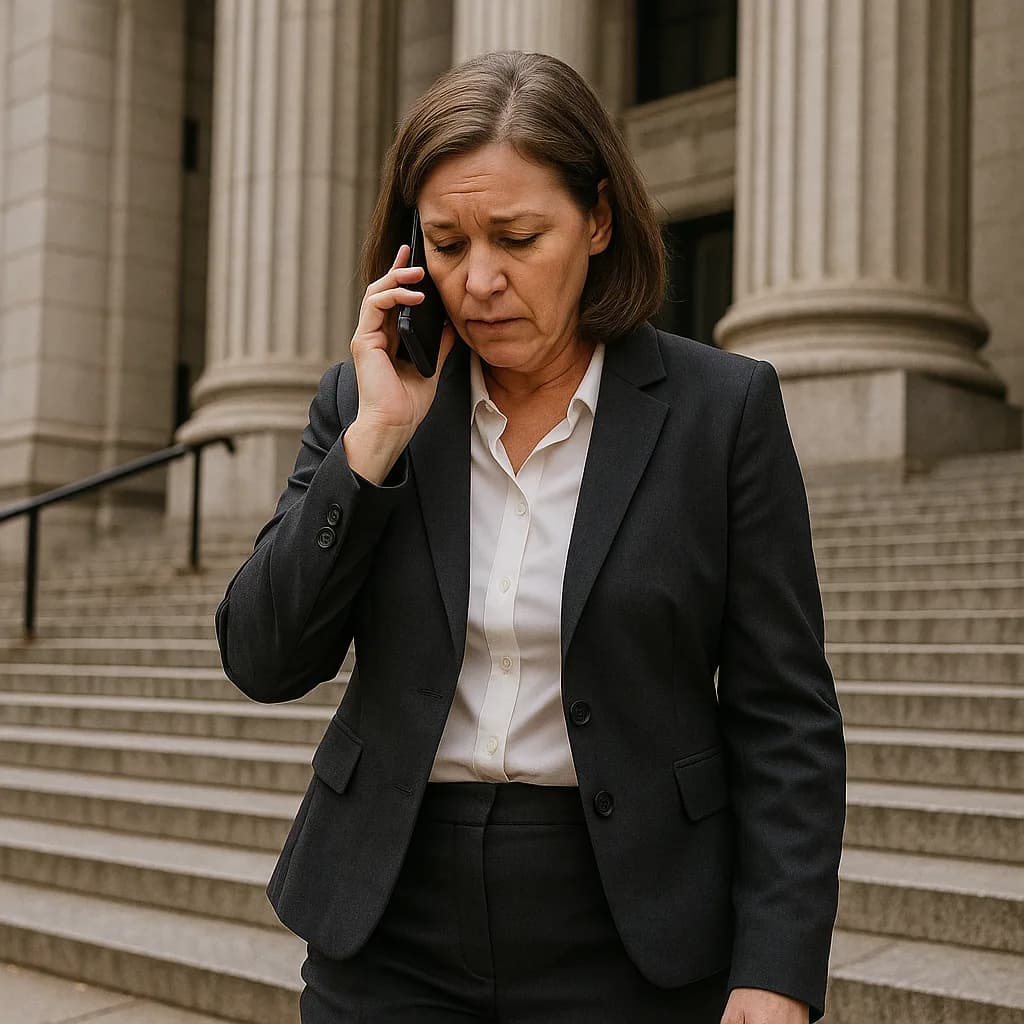
An SR-22 is a certificate your insurer files with the Colorado DMV proving you carry at least the state minimum liability coverage. The certificate itself is not insurance—it is proof your policy exists and remains active. If your policy lapses for any reason, the carrier notifies the DMV within 24 hours and your license is suspended again. The three-year filing period resets to day one.
When you apply for a non-owner policy, tell the carrier you need SR-22 filing. The insurer files the certificate electronically with the DMV, usually within one to three business days. You receive a copy for your records. Colorado charges a $95 reinstatement fee to restore your license after suspension; this fee is separate from the carrier's filing fee and is paid directly to the DMV.
If you move out of Colorado during the three-year filing period, notify your carrier immediately. Some states accept an out-of-state SR-22; others require you to refile under their own rules. If you buy a car during the filing period, convert your non-owner policy to a standard auto policy the same day. The SR-22 filing transfers to the new policy without interruption if you notify the carrier before the non-owner policy cancels.
Colorado License Reinstatement Fee
$95
Colorado charges $95 to reinstate a suspended license after you file proof of insurance. This fee is paid to the DMV and is separate from the carrier's SR-22 filing fee. If your coverage lapses and the suspension is reimposed, you pay the $95 fee again.
Colorado DMV fee schedule
Non-Owner Coverage for Drivers Between Cars
If you sold a car and plan to buy another within weeks or months, a non-owner policy keeps you continuously covered and avoids a lapse. Colorado does not penalize short coverage gaps directly, but insurers treat any lapse as a risk signal and raise your rate when you buy the next car. A non-owner policy costs less than maintaining full coverage on a car you no longer own and proves uninterrupted insurance history.
The same logic applies if you are moving, traveling, or temporarily without a vehicle. A non-owner policy maintains your insurance record and protects you if you rent a car or borrow one during the gap. When you buy your next vehicle, the non-owner policy converts to a standard auto policy and your continuous coverage history keeps your rate lower than if you had let coverage lapse.
Compare Carriers and Get Quotes
Start by confirming the carrier writes non-owner policies in Colorado and files SR-22 certificates if you need one. Geico, Progressive, The General, and Dairyland allow online quotes; Bristol West requires a broker. Request quotes from at least three carriers and compare the total first-year cost, including the filing fee if applicable. Verify the policy meets Colorado's $25,000 / $50,000 / $15,000 liability minimum and includes uninsured motorist coverage.
If you need SR-22 filing, ask how quickly the carrier files electronically and whether they notify you when the DMV receives the certificate. Bind coverage before your current policy expires to avoid a lapse. If you are reinstating after suspension, pay the $95 DMV reinstatement fee after the SR-22 is filed and processed. Keep proof of the filing and your policy declarations page in your vehicle at all times—Colorado law requires proof of insurance during any traffic stop.