
What Broadform Insurance Actually Means
Broadform insurance is a Washington State-specific liability product that covers the named driver when operating any vehicle, including cars owned by household members. The term appears in searches nationwide, but the actual product exists only in Washington—everywhere else, the coverage type being described is either a standard non-owner policy or a named-operator endorsement, neither of which work the same way. Drivers outside Washington who request broadform by name are usually quoted a non-owner policy, which excludes household vehicles entirely.
The confusion stems from informal use of the term to mean any liability-follows-the-driver product. Insurance agents, comparison sites, and even some carriers use broadform as shorthand for non-owner coverage, but the two products have opposite household-vehicle rules. A Washington broadform policy is primary coverage on any car the named driver operates. A non-owner policy in any state is secondary coverage that sits behind the vehicle owner's policy and explicitly excludes regular use of household cars. Buying the wrong one leaves a coverage gap the driver discovers only at claim time.
Get non-owner SR-22 coverage without owning a vehicle
Compare carriers that offer non-owner policies with SR-22 filing — required for reinstatement in most states.
Get Your Free QuoteBroadform Product Availability
1 state
Washington is the only state where broadform insurance is a distinct, regulated product with household-vehicle coverage built in. Outside Washington, the term is marketing language for non-owner or named-operator policies that exclude household use.
Washington State Office of the Insurance Commissioner
How Non-Owner Insurance Differs
A non-owner policy is liability-only coverage available in all 50 states and the District of Columbia. It covers bodily injury and property damage the policyholder causes while driving a car they do not own, and it is always secondary to any insurance on the vehicle being driven. The policy excludes vehicles owned by anyone in the policyholder's household, vehicles available for regular use, and any physical damage to the car being driven—there is no collision or comprehensive component because there is no owned vehicle to repair.
Non-owner policies serve three primary situations: drivers filing an SR-22 or FR-44 without owning a car, drivers maintaining continuous coverage between vehicles to avoid a lapse penalty, and drivers who occasionally borrow or rent cars but do not have regular access to a household vehicle. The household-exclusion rule is absolute. If you live with someone who owns a car and you drive it regularly, a non-owner policy will not cover you—the insurer expects that vehicle to be listed on a standard policy with you as a named or listed driver.
The secondary-coverage structure means the car owner's liability policy pays first when a claim occurs. The non-owner policy pays only after the vehicle policy's limits are exhausted, or when the vehicle being driven carries no insurance at all. This is why non-owner premiums are lower than standard auto premiums—the non-owner carrier is rarely the primary payer. It is also why a non-owner policy cannot satisfy a lender's physical-damage requirement if you finance a car purchase: the policy covers your liability, not the vehicle itself.
If you drive a household member's car daily, a non-owner policy excludes that use—you need to be added as a driver on the vehicle owner's policy instead.
When Broadform Terminology Causes Coverage Gaps

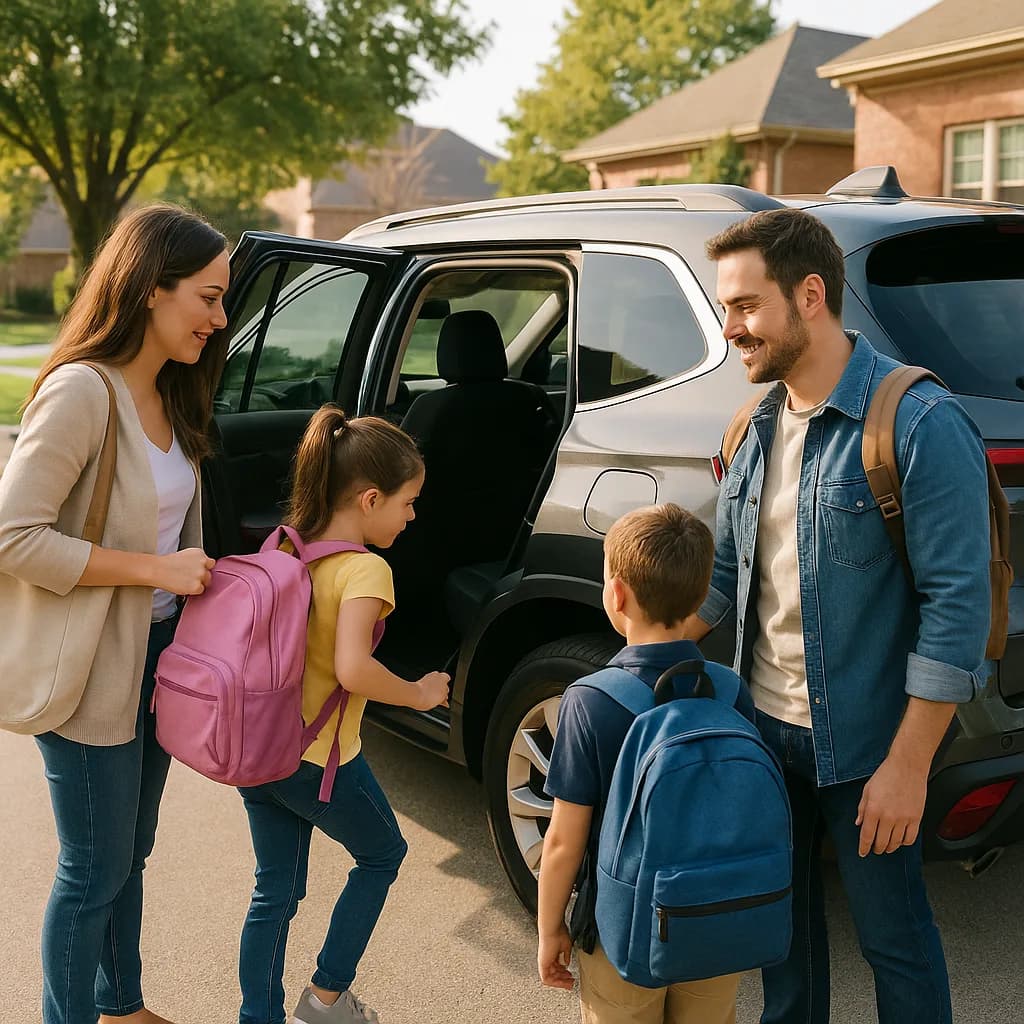
The gap appears most often in multi-driver households where one person does not own a car but drives a spouse's, parent's, or roommate's vehicle regularly. The driver buys what they believe is broadform coverage—expecting it to follow them into any car—but the policy is actually a non-owner product with a household-exclusion clause. The first time they cause an accident in the household vehicle, the claim is denied because the policy explicitly excludes that use. The household vehicle's owner may face an uninsured-driver surcharge, and the driver is personally liable for damages beyond the vehicle owner's limits.
The same gap traps drivers who move between states. A driver relocating from Washington to another state may assume their broadform policy translates directly to the new state's non-owner product, not realizing the household rule has flipped. If they continue driving a household member's car under the new policy, they are uninsured for that use. Carriers do not proactively flag this during the move because the policy language is clear—but the driver who arrived with Washington-specific expectations does not read the exclusions until a claim is filed.
Related Articles


Named-Operator Policies and State-Specific Variants
Named-operator insurance is another term used interchangeably with broadform and non-owner, but it describes a different structure. A named-operator policy covers a specific driver on a specific vehicle they do not own—usually a household vehicle owned by someone else—and the driver is the only person covered under that policy. The vehicle owner carries their own separate policy, and the named-operator policy sits alongside it as additional coverage for the named driver only. This structure is common in high-risk situations where adding the driver to the vehicle owner's policy would spike the premium unacceptably, so the driver buys standalone coverage instead.
Named-operator policies are not available in every state, and the states that allow them regulate them inconsistently. Some states treat named-operator coverage as a standard endorsement; others restrict it to high-risk drivers or require proof that the driver cannot be added to the vehicle owner's policy. The coverage is always vehicle-specific—it does not follow the driver into other cars the way a non-owner policy does—so a named-operator policy is not a substitute for non-owner coverage if the driver borrows or rents multiple vehicles.
The terminology collision happens because agents and comparison sites use named-operator, broadform, and non-owner as synonyms when they are structurally different products. A driver searching for broadform may be quoted a named-operator policy in one state, a non-owner policy in another, and an actual broadform policy only in Washington. The coverage each provides is not equivalent, and the household-vehicle and vehicle-specificity rules vary by product. Drivers who do not clarify which product they are buying—and which vehicles it actually covers—discover the gap only when a claim is denied.
National Non-Owner SR-22 Writers
5 carriers
Geico, Progressive, The General, Dairyland, and GAINSCO write non-owner policies and file SR-22 certificates in the majority of states, but availability varies by state and underwriting tier. State Farm writes non-owner coverage in only one jurisdiction and is not a national option.
Verified carrier data by state, 2026
How to Identify the Right Product for Your Situation
If you live in Washington and drive vehicles owned by household members regularly, broadform insurance is the correct product—it is the only liability-follows-the-driver option that covers household use. If you live anywhere else and drive a household vehicle regularly, you need to be added as a named or listed driver on the vehicle owner's standard policy. A non-owner policy will not cover you. If you live anywhere and do not have regular access to a household vehicle but borrow or rent cars occasionally, a non-owner policy is the correct product. If you need to file an SR-22 or FR-44 and do not own a car, a non-owner SR-22 or FR-44 policy is the compliance path in every state.
The clearest way to avoid a coverage gap is to ask the quoting agent or carrier three specific questions before buying: does this policy cover vehicles owned by people I live with, does this policy cover a specific vehicle or does it follow me into any car I drive, and does this policy satisfy an SR-22 or FR-44 filing requirement if I have one. If the answers do not match your situation, the product is wrong. Do not assume the terms broadform, non-owner, and named-operator are interchangeable—they describe different coverage structures, and only one of them fits your household and vehicle-access pattern.
What to Do Right Now
If you currently hold a policy you believe is broadform but you live outside Washington, pull the declarations page and read the exclusions section. Look for language excluding vehicles owned by household members, vehicles furnished for regular use, or vehicles you have regular access to. If any of those exclusions appear and you drive a household vehicle regularly, you are uninsured for that use. Contact the vehicle owner's insurer and request to be added as a named driver on their policy—that is the correct coverage path for household-vehicle use outside Washington. If you do not drive a household vehicle and only borrow or rent occasionally, the non-owner policy you hold is correct, but confirm it is actually a non-owner product and not a named-operator policy tied to a specific car. If you need an SR-22 or FR-44 filing, confirm the carrier writing your policy also files certificates in your state—not all non-owner writers file SR-22, and very few file FR-44 outside Florida and Virginia.