Filing SR-22 Without a Car During Suspension
South Dakota suspended your license for a violation—DUI, uninsured driving, or unpaid fines—and the state now requires you to file an SR-22 certificate of financial responsibility before you can reinstate or apply for a restricted permit. You don't own a car. The SR-22 is not a policy; it's a certificate your insurance carrier files with the South Dakota Department of Public Safety on your behalf, proving you carry at least the state minimum liability coverage. A non-owner policy is the only way to satisfy that requirement when you have no vehicle to insure.
South Dakota's restricted-permit system (SDCL 32-12-49.4) allows you to drive for work, school, and medical appointments during suspension—but only if you file SR-22 proof of insurance first. Most suspended drivers wait until after reinstatement to file, missing the restricted-permit window entirely. Filing during suspension unlocks legal driving privileges months earlier than waiting for full reinstatement.
Get non-owner SR-22 coverage without owning a vehicle
Compare carriers that offer non-owner policies with SR-22 filing — required for reinstatement in most states.
Get Your Free QuoteSouth Dakota Liability Minimum
$25,000 / $50,000 / $25,000
A non-owner SR-22 policy in South Dakota must carry at least $25,000 bodily injury per person, $50,000 per accident, and $25,000 property damage. Uninsured motorist coverage is required by state law and must match your liability limits.
SD Codified Laws 32-35-113
What a Non-Owner Policy Does and Does Not Cover
A non-owner policy is liability-only by design. It covers bodily injury and property damage you cause while driving a car you do not own—a borrowed car, a rental, or a car-share vehicle. It never covers collision or comprehensive damage to the car you're driving, because you own no vehicle to repair. Physical damage coverage belongs to the car's owner, not the driver.
Non-owner coverage is secondary. If the car you're driving already has liability insurance, that policy pays first. Your non-owner policy fills the gap when the owner's limits are exhausted or when the car has no coverage at all. For SR-22 filers, the policy's primary job is filing the certificate with the state and keeping it active for the full three-year filing period South Dakota requires.
The policy does not cover a car you own, lease, or have regular access to in your household. If you live with someone who owns a car and you drive it regularly, you must be listed on their policy—not covered by a separate non-owner policy. If you later buy or lease a vehicle, the non-owner policy terminates and you must switch to a standard owner policy that continues the SR-22 filing without a gap.
South Dakota's three-year SR-22 filing period resets to day one if your non-owner policy lapses for any reason—even one day.
Which Carriers Write Non-Owner SR-22 in South Dakota
Geico, Progressive, The General, Dairyland, National General, Bristol West, and Farmers write non-owner policies and file SR-22 certificates in South Dakota. USAA writes non-owner SR-22 but restricts eligibility to military members, veterans, and their families. State Farm writes non-owner policies in only one U.S. jurisdiction and does not write them in South Dakota. Allstate and American Family write SR-22 on standard owner policies but do not write non-owner coverage.
Quoting with a carrier that writes owner policies but not non-owner means restarting the application process when you discover they cannot file your certificate. Call or quote online directly with the seven carriers listed above before applying. Ask explicitly whether the carrier writes non-owner policies in South Dakota and whether they file SR-22 certificates on non-owner coverage—some agents will quote a standard policy assuming you own a car, then cancel when they learn you do not.
Related Articles



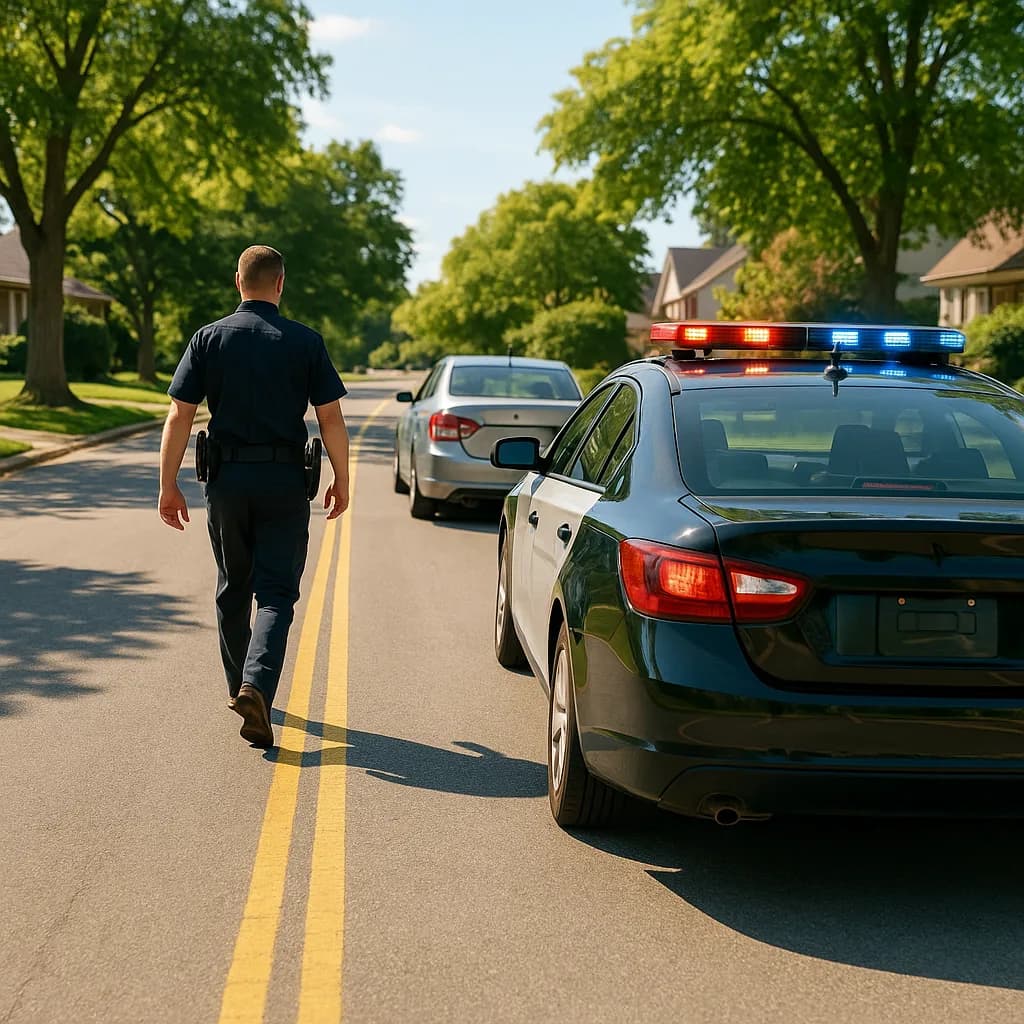
Restricted Permit Pathway During Suspension
South Dakota offers two restricted-driving options during suspension: a restricted permit under SDCL 32-12-49.4 for non-DUI suspensions, and a court-ordered limited driving privilege under SDCL 32-23-2 and 32-23-3 for DUI convictions. Both require proof of insurance before issuance—your carrier must file the SR-22 certificate with the Department of Public Safety before the state will approve your application.
The restricted permit application (Parts I through VI) requires notarized signatures from you, your employer (or self-employment documentation), and your school if applicable. The state assesses need based on whether you live more than one mile from work or school, have a physical handicap, or have no other transportation available. Approved permits restrict you to driving to and from work and school only, with a maximum of 12 hours per day. The approved hours print on the permit itself.
For DUI-related suspensions, the court-ordered limited privilege expands allowable routes to include 24/7 sobriety testing, child care, health appointments, court and probation obligations, and counseling or treatment. The court issues the order; the Department of Public Safety issues the permit after verifying your SR-22 filing is active. If your SR-22 lapses during the restricted-permit period, the state revokes the permit immediately and you restart the suspension from day one.
Reinstatement fees vary by violation tier. South Dakota operates a multi-tier suspension system where the base reinstatement fee is $50, but specific violations carry additional fees. License suspension for the violation you face carries a $75 reinstatement fee. Pay the fee at any Driver Licensing office or mail it to the Pierre office with your reinstatement application after the suspension period ends and your SR-22 filing is current.
South Dakota SR-22 Filing Period
3 years
South Dakota requires you to maintain continuous SR-22 filing for three years from the date the state receives the certificate, not the date of your conviction or suspension. A lapse restarts the clock. The carrier files the certificate electronically; the state confirms receipt within 1 to 3 business days.
SD Codified Laws 32-35-65
Filing Timeline and Lapse Consequences
Your carrier files the SR-22 certificate electronically with the South Dakota Department of Public Safety the day you bind coverage. The state confirms receipt within one to three business days. If you apply for a restricted permit, wait for state confirmation before submitting your permit application—the state will reject applications with no SR-22 on file.
If your non-owner policy lapses for any reason—missed payment, voluntary cancellation, or carrier non-renewal—the carrier notifies the state immediately and the state suspends your license again. The three-year filing period resets to day one. You must purchase a new non-owner policy, file a new SR-22 certificate, pay a new suspension fee, and restart the clock. Continuous coverage for the full three years is the only way to satisfy the requirement and clear the filing obligation from your record.
Compare Carriers That Write Your Situation
Non-owner SR-22 rates vary by carrier, your driving record, and the violation that triggered the suspension. The seven carriers writing non-owner SR-22 in South Dakota price the same risk differently—one carrier's high-risk tier may be another's standard tier. Quote all seven before binding coverage. Use the site's comparison tool to see which carriers write non-owner policies in South Dakota and request quotes directly from each. Binding with the first carrier you call often means paying more than necessary for the same three-year filing obligation.