Non-Owner Car Insurance — Virginia

A Virginia non-owner policy gives you the state's 50/100/40 liability minimum without owning a car, and can file the FR-44 the state requires for DUI suspensions. It's liability-only coverage that follows you when you drive borrowed, rented, or shared vehicles.

Compare Virginia Auto Insurance

Non-Standard Auto · SR-22 · Senior · Teen Drivers

Police car with lights flashing visible in car side mirror on residential street
Quotes from state-licensed insurance professionals
Licensed Agents Only
Free to request, no commitment required
No Obligation
No cost to you
Free to Use
Your contact information is protected
TCPA-Compliant
Updated July 2026

Non-Owner Liability Requirements in Virginia

Virginia requires all drivers to carry liability insurance, whether they own a vehicle or not. A non-owner policy must provide at least $50,000 bodily injury per person, $100,000 bodily injury per accident, and $40,000 property damage — the same minimums as a standard policy. Virginia also mandates uninsured motorist coverage. For drivers with DUI suspensions, Virginia is one of only two states requiring FR-44 filing instead of SR-22, with doubled liability limits of $100,000/$300,000/$50,000.

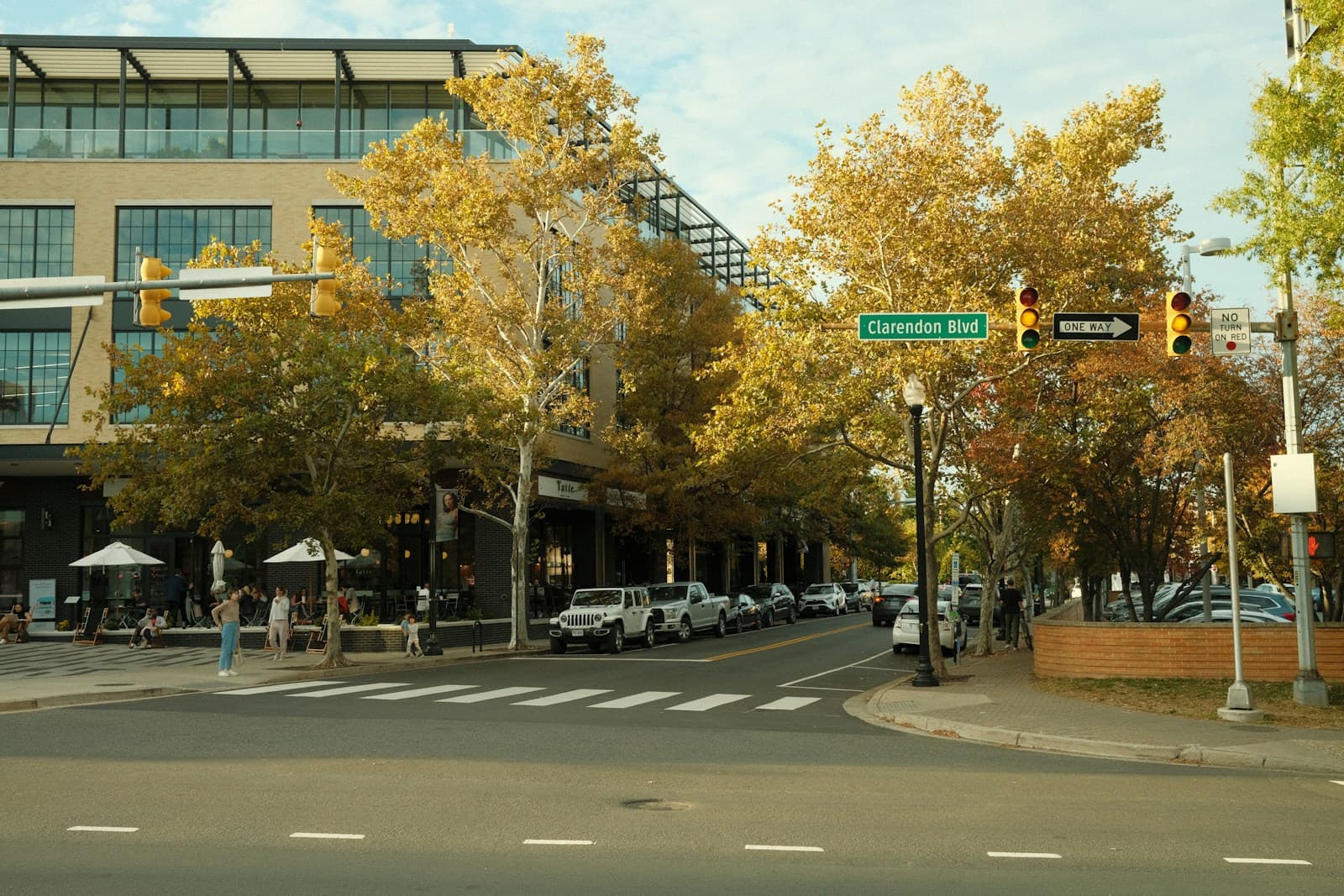
Virginia cityscape and street view
$50,000/$100,000 minimum
Bodily Injury Liability
Covers injuries you cause to others while driving a borrowed, rented, or shared vehicle. Virginia law requires $50,000 per person and $100,000 per accident. A non-owner policy provides this liability without requiring you to own a car, and it sits secondary to any coverage on the vehicle you're driving.
$40,000 minimum
Property Damage Liability
Covers damage you cause to another person's property in an accident. Virginia's $40,000 minimum is higher than most states' $25,000 floor. This is the only property coverage a non-owner policy provides — it never covers damage to the car you're driving, because you don't own it.
Required in Virginia
Uninsured Motorist Coverage
Virginia mandates uninsured motorist coverage on all policies, including non-owner. This protects you when hit by a driver with no insurance or insufficient limits. Because a non-owner policy follows you, this coverage applies regardless of whose car you're driving at the time.
3 years, $100,000/$300,000/$50,000
FR-44 Filing for DUI
Virginia requires FR-44 certificates — not SR-22 — for DUI and DWI suspensions, mandating liability limits double the standard minimums. A non-owner FR-44 policy allows you to satisfy this filing requirement without owning a vehicle. Geico, Progressive, Dairyland, The General, Bristol West, and National General write non-owner FR-44 in Virginia.
State-Mandated Minimum Coverage · Virginia

Virginia Minimum Coverage

CoverageMinimum
Bodily Injury (per person)$50,000
Bodily Injury (per accident)$100,000
Property Damage$25,000

License Reinstatement Fee$145

Meeting the state minimum keeps you legal. See whether it's enough — get your Virginia quote.

Get your Virginia quote

What Shapes Non-Owner Costs in Virginia

Non-owner premiums in Virginia reflect your driving record, whether you need an FR-44 filing, and the liability limits you choose. A clean-record driver maintaining continuous coverage between cars pays less than someone filing an FR-44 after a DUI. Virginia's higher-than-average liability minimums and mandatory uninsured motorist coverage raise the baseline cost compared to states with lower floors.

What Affects Your Rate

  • Virginia's $50,000/$100,000/$40,000 liability minimums are higher than most states' $25,000/$50,000/$25,000 floors, raising baseline non-owner premiums.
  • FR-44 filing for DUI suspensions doubles required liability limits to $100,000/$300,000/$50,000, significantly increasing premium cost for the 3-year filing period.
  • Mandatory uninsured motorist coverage adds cost to every Virginia non-owner policy, unlike states where it's optional.
  • Drivers with recent at-fault accidents or moving violations pay more, even without a filing requirement, because non-owner policies still underwrite driving history.
  • Choosing higher liability limits than the state minimum — such as $100,000/$300,000 — increases premium but provides better protection when driving borrowed or rented vehicles.
  • Carrier availability matters: only a subset of Virginia insurers write non-owner policies, and fewer still file non-owner FR-44, limiting competition and price options for high-risk drivers.
Non-Owner Liability Only
50/100/40 min
For drivers between cars or regularly borrowing vehicles, with no violations requiring a filing. Lowest non-owner rate tier in Virginia.
Non-Owner With FR-44
3-year filing
Virginia FR-44 requires $100,000/$300,000/$50,000 limits — double the standard minimums — and a 3-year continuous filing period. Any lapse triggers immediate DMV notification and license suspension.
Non-Owner After Points Suspension
SR-22 filing
For non-DUI suspensions, Virginia requires SR-22 (not FR-44) with standard 50/100/40 minimums. Filing period depends on the violation type. Fewer carriers write non-owner SR-22 than standard non-owner policies.

Get non-owner SR-22 coverage without owning a vehicle

Compare carriers that offer non-owner policies with SR-22 filing — required for reinstatement in most states.

Get Your Free Quote
Non-Owner SR-22 No Obligation Licensed Carriers Reinstatement Ready

Find Your City in Virginia

Virginia Beach, Virginia cityscape and street view

Virginia Beach

urbanRates reflect Virginia Beach's higher accident frequency and uninsured driver rates compared to rural Virginia counties.

Coastal location and tourist traffic increase uninsured motorist risk, making the mandatory UM coverage on Virginia non-owner policies more relevant for regular borrowers here.

Chesapeake, Virginia cityscape and street view

Chesapeake

suburbanChesapeake's lower density compared to Norfolk or Virginia Beach can result in slightly lower non-owner rates.

Mix of suburban and rural roads means varied driving conditions for non-owner drivers using borrowed vehicles in Chesapeake.

Arlington, Virginia cityscape and street view

Arlington

urban
Norfolk, Virginia cityscape and street view

Norfolk

urbanUrban density and higher claim frequency in Norfolk influence non-owner liability premiums.

Dense urban driving and naval base commuter traffic raise liability exposure for non-owner drivers borrowing vehicles in Norfolk.

Richmond, Virginia cityscape and street view

Richmond

urbanRichmond's urban claim frequency and traffic density influence non-owner liability premiums.

State capital with heavy commuter traffic and higher theft rates, relevant for non-owner drivers regularly borrowing cars in the Richmond metro area.

Newport News, Virginia cityscape and street view

Newport News

urbanNewport News accident rates and urban density affect non-owner liability costs.

Shipyard and military base traffic creates congested commute corridors, increasing accident risk for non-owner drivers borrowing vehicles here.

Alexandria, Virginia cityscape and street view

Alexandria

urbanAlexandria's high cost of living and dense D.C. metro traffic drive higher non-owner premiums compared to rural Virginia.

High cost of living and proximity to Washington, D.C., mean higher liability judgments and medical costs, raising non-owner liability premiums in Alexandria.

Aerial view of dense forest with winding river at sunset, dramatic clouds in colorful sky over treetops

Hampton

urban
Aerial view of city skyline at twilight with downtown buildings and mountains in background

Roanoke

urban
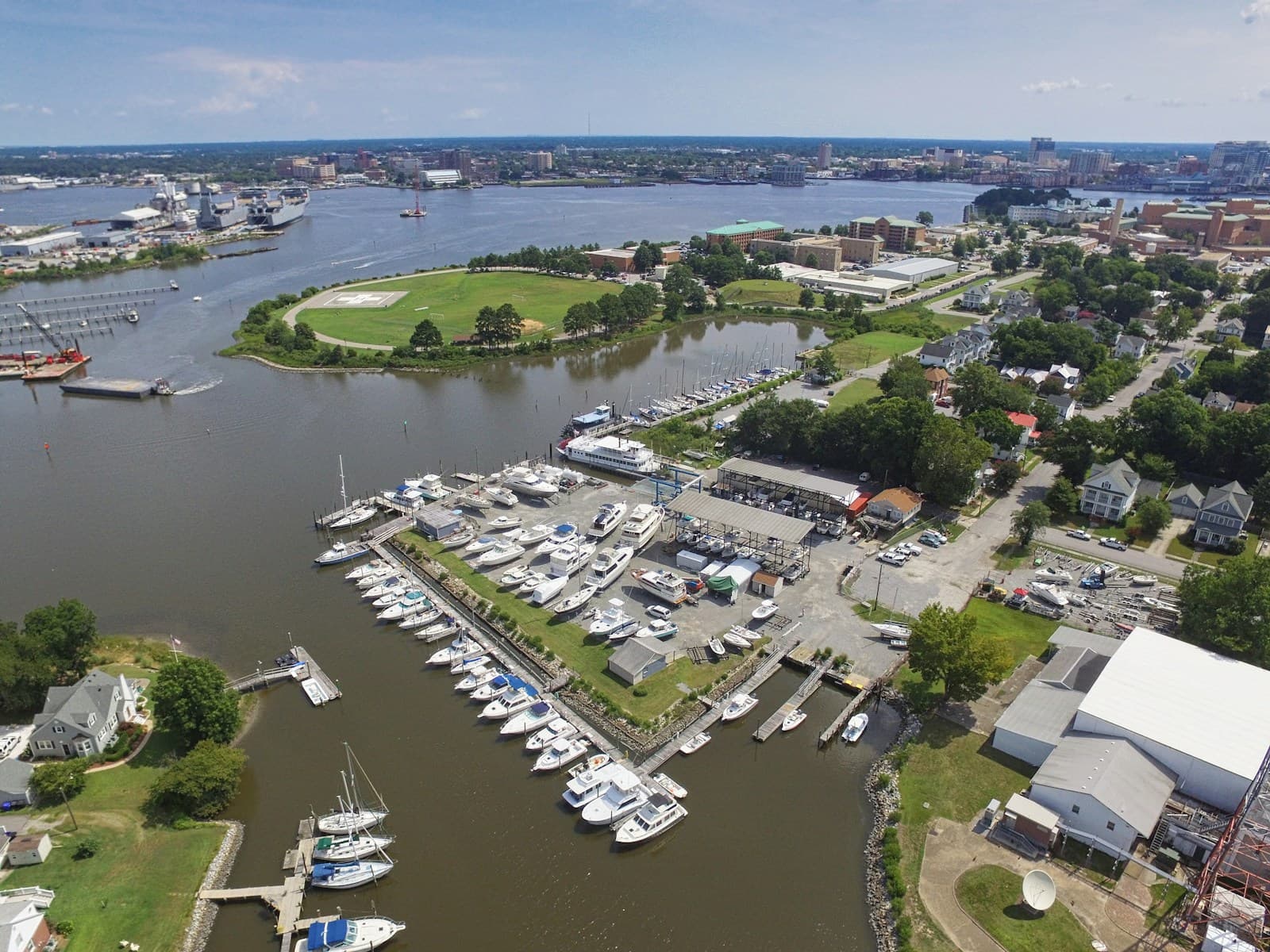
Aerial view of marina with docked boats, waterfront park, and coastal city skyline in background

Portsmouth

urban
Aerial view of rural farmland with green and brown agricultural fields under blue sky with clouds

Suffolk

suburban
Twilight mountain landscape with pink and purple clouds over rolling hills at sunset

Lynchburg

urban

Frequently Asked Questions

Get Your Free Quote in Virginia