Non-Owner Car Insurance — Ohio

A Ohio non-owner policy carries the state's 25/50/25 liability minimum without requiring an owned vehicle, and can file the SR-22 the Ohio Bureau of Motor Vehicles requires when you need one. Dairyland, GAINSCO, Geico, Progressive, and The General write non-owner policies in Ohio.

Compare Ohio Auto Insurance

Non-Standard Auto · SR-22 · Senior · Teen Drivers

Happy young man smiling while driving a car on a sunny day with green trees visible through the window
Quotes from state-licensed insurance professionals
Licensed Agents Only
Free to request, no commitment required
No Obligation
No cost to you
Free to Use
Your contact information is protected
TCPA-Compliant
Updated July 2026

Ohio Non-Owner Liability Requirements

Ohio requires non-owner policies to carry at least 25/50/25 liability coverage: $25,000 bodily injury per person, $50,000 per accident, and $25,000 property damage. Ohio is an at-fault state, so the at-fault driver's liability coverage pays the other party's damages. For drivers who need an SR-22 filing but own no vehicle, a non-owner policy satisfies the Ohio Bureau of Motor Vehicles' proof-of-financial-responsibility requirement for the full filing period.

Ohio cityscape and street view
25/50 minimum
Bodily Injury Liability
Pays medical bills, lost wages, and legal costs when you injure someone while driving a borrowed, rented, or shared car in Ohio. A non-owner policy provides this coverage as secondary protection behind any policy on the car you're driving. The 25/50 minimum means $25,000 per person injured and $50,000 per accident.
$25,000 minimum
Property Damage Liability
Covers damage you cause to another vehicle, fence, building, or property while driving a car you don't own. Ohio's $25,000 minimum is the floor; you can purchase higher limits if your assets or risk profile warrant it. This coverage never pays for damage to the car you're driving—that car's collision coverage or your rental agreement handles that.
Optional in Ohio
Uninsured Motorist Coverage
Ohio does not mandate uninsured motorist coverage, but most non-owner policies include it as a standard component. It pays your medical bills and lost wages when an at-fault driver has no insurance or insufficient coverage. For non-owner drivers who regularly borrow or rent cars, this closes a gap the borrowed car's policy may not cover.
SR-22 required, 3 years
Non-Owner SR-22 Filing
Ohio requires SR-22 filing for 3 years after an OVI conviction or certain other violations. A non-owner SR-22 proves you carry continuous liability coverage even without owning a vehicle. Dairyland, GAINSCO, Geico, Progressive, and The General file non-owner SR-22s in Ohio. State Farm writes SR-22 policies in Ohio but does not confirm non-owner availability.
Court-granted only
Limited Driving Privileges
Ohio calls its hardship license Limited Driving Privileges, granted exclusively by courts—not the Ohio Bureau of Motor Vehicles. Petition the sentencing court for OVI convictions or the court of common pleas in your county of residence for administrative suspensions. A non-owner SR-22 satisfies the insurance requirement courts impose for LDP eligibility, and ignition interlock is required for OVI-related privileges under ORC 4510.022.
State-Mandated Minimum Coverage · Ohio

Ohio Minimum Coverage

CoverageMinimum
Bodily Injury (per person)$25,000
Bodily Injury (per accident)$50,000
Property Damage$25,000

License Reinstatement Fee$40

Meeting the state minimum keeps you legal. See whether it's enough — get your Ohio quote.

Get your Ohio quote

What Shapes Non-Owner Costs in Ohio

Non-owner premiums in Ohio depend on whether you need an SR-22 filing, your driving history, and the liability limits you choose above the 25/50/25 minimum. A clean-record driver maintaining continuous coverage between cars pays less than a driver filing a non-owner SR-22 after an OVI conviction. Carrier availability narrows when a filing is required—only five carriers in Ohio write non-owner policies, and all five file SR-22s.

What Affects Your Rate

  • SR-22 filing requirement: Ohio mandates 3-year SR-22 filing for OVI convictions and certain other violations, and only five carriers write non-owner SR-22 policies in the state.
  • Liability limits above the minimum: Choosing 50/100/50 or 100/300/100 instead of Ohio's 25/50/25 floor increases premium but provides more protection in at-fault accidents.
  • Driving history: OVI convictions, at-fault accidents, and suspended-license periods raise premiums more than minor violations or a clean record.
  • Filing period remaining: A driver with 2 years left on a 3-year SR-22 requirement may see lower premiums than one starting a new 3-year period, depending on carrier underwriting.
  • Frequency of driving: Carriers may ask how often you drive borrowed or rented cars; daily use typically costs more than occasional use.
  • Reinstatement status: Ohio's $40 base reinstatement fee and any additional FRA suspension fees must be paid before the BMV restores driving privileges, separate from insurance cost.
Non-Owner Liability Only
25/50/25 min
Covers the state minimum for drivers who regularly borrow, rent, or share cars and want liability protection that follows them. No SR-22 filing, no violations on record.
Non-Owner With SR-22
3-year filing
Adds the SR-22 filing the Ohio Bureau of Motor Vehicles requires for OVI offenses and certain other violations. The filing period is 3 years, and the carrier must maintain continuous proof with the state.
Non-Owner After OVI
Interlock req
Combines non-owner SR-22 filing with the ignition interlock requirement ORC 4510.022 imposes for OVI-related driving privileges. Courts grant LDP, not the BMV, and the petition must include proof of SR-22 insurance.

Get non-owner SR-22 coverage without owning a vehicle

Compare carriers that offer non-owner policies with SR-22 filing — required for reinstatement in most states.

Get Your Free Quote
Non-Owner SR-22 No Obligation Licensed Carriers Reinstatement Ready

Find Your City in Ohio

Columbus, Ohio cityscape and street view

Columbus

urbanUrban density and higher accident frequency in Franklin County shape non-owner premiums for Columbus-based drivers.

Columbus drivers face dense commute traffic on I-270 and I-71, raising at-fault accident risk for non-owner drivers borrowing cars in the metro area.

Cleveland, Ohio cityscape and street view

Cleveland

urbanCuyahoga County's weather-related accident rate and urban density influence non-owner premiums for Cleveland drivers.

Cleveland's lake-effect snow and winter road conditions increase accident risk for non-owner drivers renting or borrowing cars during November through March.

Cincinnati, Ohio cityscape and street view

Cincinnati

urbanUrban accident frequency and commute density in the Cincinnati metro area shape non-owner premiums.

Cincinnati's I-75 and I-71 interchange sees high traffic volume and frequent accidents, relevant for non-owner drivers borrowing cars in Hamilton County.

Toledo, Ohio cityscape and street view

Toledo

urbanSeasonal weather and industrial traffic patterns influence non-owner premiums for Toledo-based drivers.

Toledo drivers face winter weather challenges and I-75 truck traffic, raising accident risk for non-owner drivers renting or borrowing vehicles in Lucas County.

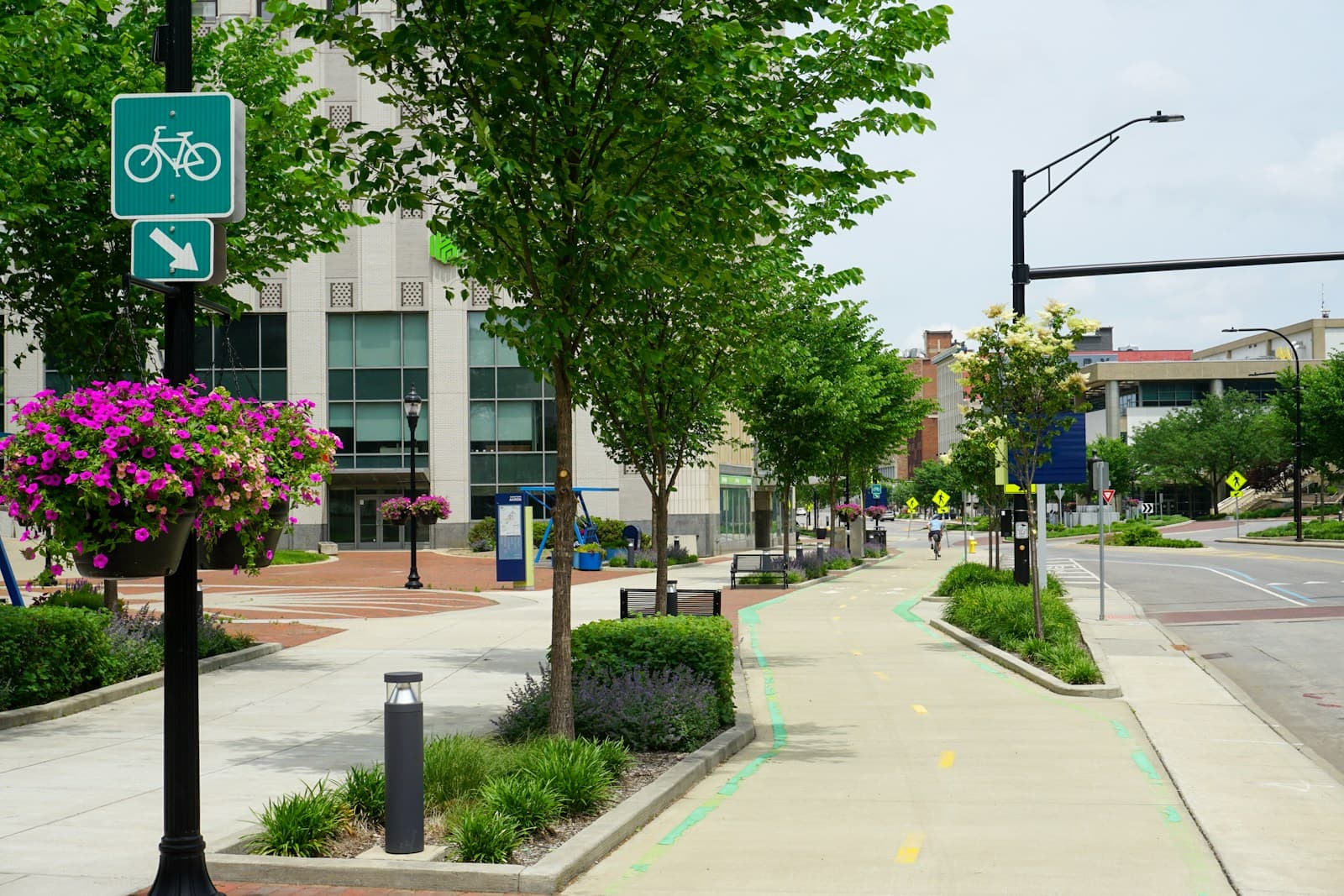
Akron, Ohio cityscape and street view

Akron

urbanSummit County's urban density and winter road conditions shape non-owner premiums for Akron drivers.

Akron's proximity to Cleveland and shared winter weather patterns create similar accident risk for non-owner drivers borrowing cars in Summit County.

Dayton, Ohio cityscape and street view

Dayton

urban
Parma, Ohio cityscape and street view

Parma

suburban
Canton, Ohio cityscape and street view

Canton

suburban
Lorain, Ohio cityscape and street view

Lorain

suburban
City skyline at sunset with tall buildings and dramatic cloudy sky in warm golden light

Hamilton

suburban
Youngstown, Ohio cityscape and street view

Youngstown

urban
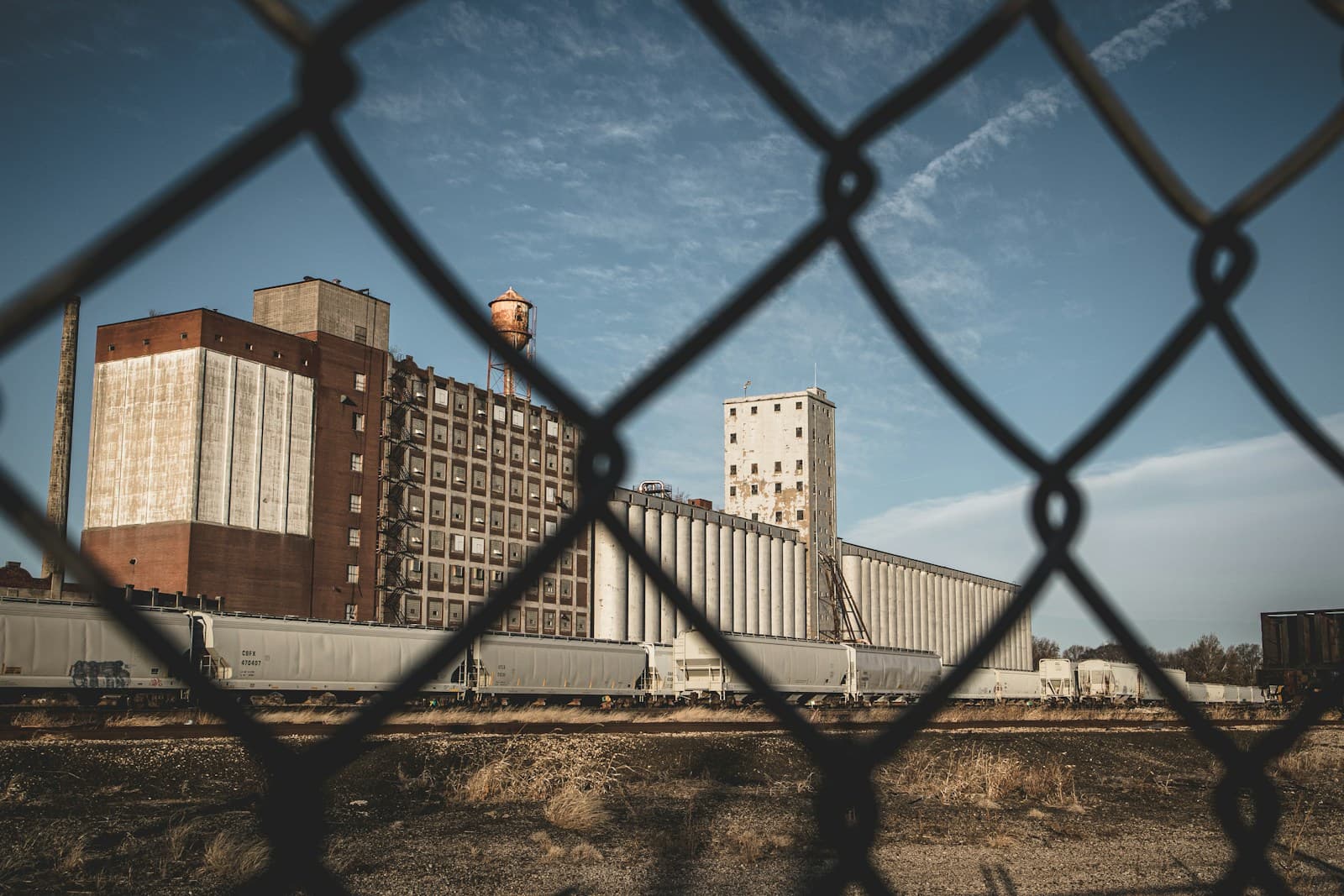
Industrial buildings and grain silos viewed through chain-link fence under cloudy sky

Springfield

suburban

Frequently Asked Questions

Get Your Free Quote in Ohio