
What California Requires to Reinstate a Suspended License
California charges a $55 reinstatement fee for every license suspension, regardless of the trigger. The fee is the same whether your suspension resulted from a DUI conviction, an uninsured-driving violation, or an administrative action under the state's Administrative Per Se system. What varies by trigger is the financial-responsibility proof the DMV requires before it will accept your reinstatement application.
If you don't own a vehicle, you cannot buy a standard auto policy to satisfy the proof-of-insurance requirement. A non-owner liability policy meets California's financial-responsibility mandate and allows you to file the SR-22 certificate the state requires for certain suspension triggers. The policy carries the state minimum liability limits—$30,000 bodily injury per person, $60,000 bodily injury per accident, and $15,000 property damage—and the carrier files the SR-22 directly with the DMV on your behalf.
Get non-owner SR-22 coverage without owning a vehicle
Compare carriers that offer non-owner policies with SR-22 filing — required for reinstatement in most states.
Get Your Free QuoteCalifornia Reinstatement Fee
$55
California charges a flat $55 reinstatement fee for all suspension types. The fee does not vary by trigger, violation count, or filing requirement. You pay it once when the DMV processes your reinstatement application.
California DMV reinstatement fee schedule
Which Suspension Triggers Require an SR-22 Filing
California does not require an SR-22 filing for every suspension. The state mandates SR-22 proof of financial responsibility for three specific triggers: driving uninsured or being at fault in an uninsured accident, DUI or license reinstatement after conviction, and negligent-operator sanctions under California Vehicle Code 12810.5.
If your suspension resulted from unpaid tickets, child-support arrears, failure to appear in court, or an administrative action unrelated to insurance or DUI, the DMV does not require an SR-22. You pay the $55 reinstatement fee and provide proof of current insurance, but the carrier does not file a certificate with the state.
The SR-22 filing period in California is 3 years, measured from the date the carrier files the certificate. Any lapse in coverage during that period resets the clock and triggers a new suspension. The carrier files the SR-22 electronically; the DMV receives it within 1 to 5 business days.
California's Administrative Per Se system suspends your license immediately at arrest for DUI, before conviction. Reinstatement after APS requires SR-22 filing even if criminal charges are later reduced or dismissed.
How to Apply for a Restricted Driver License During Suspension
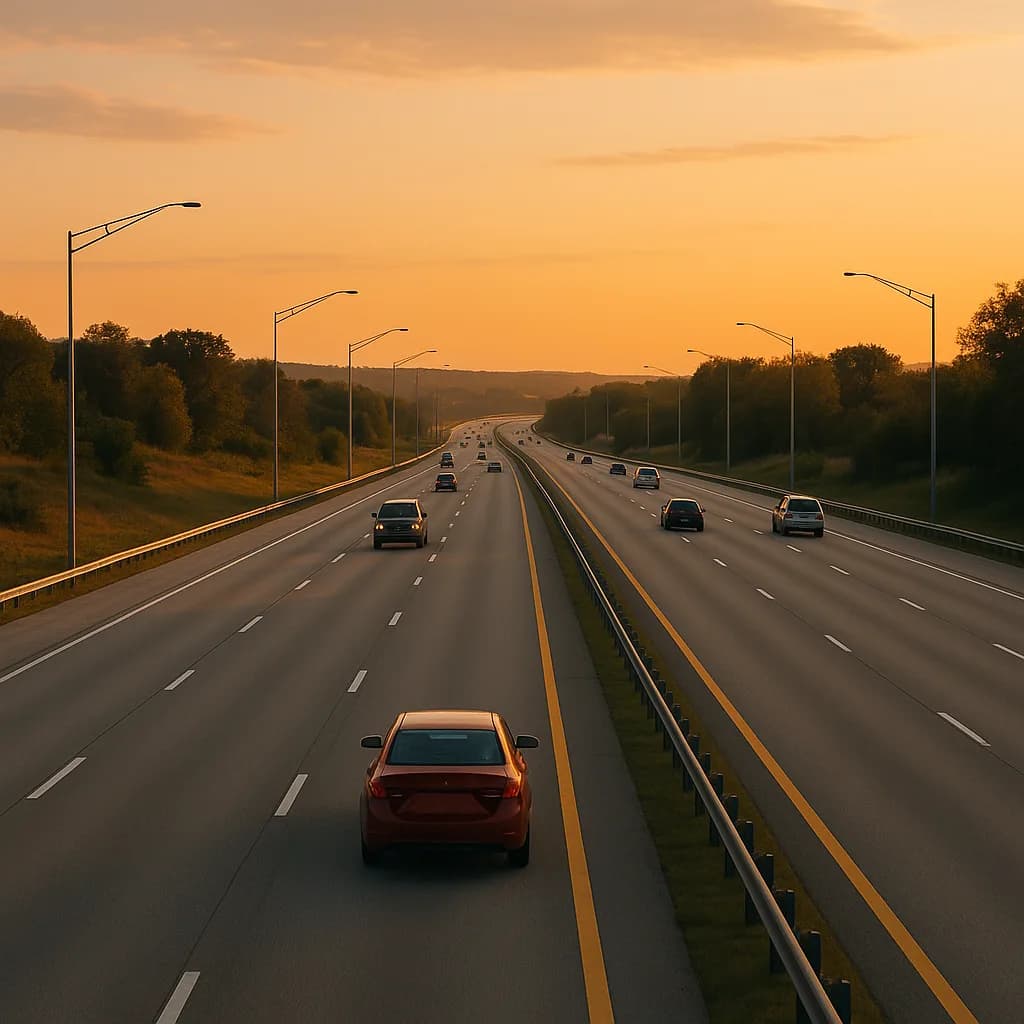
For DUI suspensions, California offers a restricted driver license that permits driving to and from work, and for repeat DUI offenders, to and from an alcohol treatment program. You apply through the DMV after your conviction and must provide proof of financial responsibility via SR-22 filing and proof of enrollment in a state-approved DUI program. Repeat DUI offenders must install an ignition interlock device on any vehicle they drive. The restricted license does not shorten your suspension period; it runs concurrently with the suspension and allows limited driving during the term.
For uninsured-driving suspensions, California Vehicle Code sections 16072 and 16077 permit a restricted license for drivers who can demonstrate financial hardship. You apply by submitting proof of financial responsibility—an SR-22 filing from a non-owner policy if you own no vehicle—and documentation showing that losing your license prevents you from earning a living. The DMV reviews each application individually. Approval is not automatic, and the restricted license limits you to driving to and from work only.
Related Articles
Which Carriers File Non-Owner SR-22 in California
Fourteen carriers write non-owner policies and file SR-22 certificates in California: Acceptance Insurance, Allstate, Bristol West, Dairyland, Farmers, Geico, Infinity, Kemper, Mercury General, National General, Progressive, Root, State Farm, and The General. Not every carrier writing standard auto insurance in California writes non-owner policies, and not every carrier writing non-owner policies files SR-22 certificates.
State Farm writes non-owner policies in California but does not file SR-22 for non-owner applicants in most states. If you need an SR-22 filing, verify that the carrier you choose files both the policy and the certificate before you buy. Carriers that write after-DUI coverage—Acceptance, Bristol West, Dairyland, Farmers, Geico, Infinity, Kemper, Mercury General, National General, Progressive, Root, and The General—are more likely to accept applicants with recent suspensions.
The carrier charges a one-time filing fee to submit the SR-22 to the DMV. California does not publish a fixed state filing fee; the amount is set by the carrier and typically ranges from $15 to $50. The fee is separate from the policy premium and the $55 DMV reinstatement fee.
California SR-22 Filing Period
3 years
California requires continuous SR-22 filing for 3 years from the date the carrier first files the certificate. Any lapse in coverage during that period cancels the filing, and the DMV notifies you of a new suspension. The 3-year clock resets from the date you refile.
California Vehicle Code SR-22 filing requirements
What Happens If You Let Your Non-Owner Policy Lapse
California law requires continuous coverage for the entire 3-year SR-22 filing period. If your non-owner policy lapses for any reason—nonpayment, cancellation, or switching carriers without maintaining overlap—the carrier notifies the DMV electronically within 24 hours. The DMV suspends your license immediately and you must refile an SR-22 and pay a new $55 reinstatement fee to restore driving privileges.
The 3-year filing clock resets from the date the new SR-22 is filed, not from the date of the original filing. A single lapse can add years to your total filing obligation. Most carriers writing non-owner SR-22 policies in California allow you to reinstate a lapsed policy within 30 days without reapplying, but reinstatement does not prevent the DMV suspension or the reset of the filing period.
How to Reinstate Your License After Meeting All Requirements
Once you have completed your suspension period, paid the $55 reinstatement fee, and filed the required SR-22 certificate if applicable, you apply for reinstatement through the California DMV. You can apply online, by mail, or in person at a DMV field office. The DMV processes most reinstatement applications within 5 to 10 business days after receiving all required documents and fees.
If your suspension was DUI-related and you held a restricted license during the suspension period, the DMV lifts the restriction automatically when you reinstate your full license. You do not need to reapply or pay an additional fee. The SR-22 filing requirement continues for the full 3-year period regardless of whether your license is restricted or fully reinstated. Compare carriers that write non-owner SR-22 policies in California to find coverage that meets the state's financial-responsibility mandate and files the certificate the DMV requires.