
The High-Risk Non-Owner Coverage Gap in New York
You need car insurance to reinstate or maintain your New York license, but you do not own a vehicle. Your violation history—DUI, reckless driving, multiple at-fault accidents, or a suspension—classifies you as high-risk. Most carriers refuse to write a non-owner policy for high-risk applicants, and the few who do quote premiums that can run two to three times the rate a standard-risk driver pays. New York's electronic insurance-verification system transmits your coverage status directly to the DMV, so any lapse or refusal shows up immediately.
A non-owner policy in New York is liability-only: bodily-injury and property-damage liability at the state minimum ($25,000 per person, $50,000 per accident, $10,000 property damage), plus mandatory uninsured-motorist coverage and personal-injury protection. It covers you when driving a car you do not own—borrowed, rented, or car-share vehicles. It does not cover collision or comprehensive damage to any vehicle because you own no vehicle to repair. It is secondary coverage that sits behind any policy on the car being driven. For high-risk drivers, the structural problem is not what the policy covers—it is finding a carrier willing to write one.
Get non-owner SR-22 coverage without owning a vehicle
Compare carriers that offer non-owner policies with SR-22 filing — required for reinstatement in most states.
Get Your Free QuoteNY Carriers Writing Non-Owner
7 of 15
Only 7 of the 15 carriers licensed in New York write non-owner policies at all. When you filter for carriers that accept high-risk applicants—post-DUI, post-suspension, or drivers with multiple violations—that pool shrinks to 4: Geico, Progressive, Bristol West, and National General.
auto_insurance_carriers_by_state (New York roster, writes_non_owner and writes_after_dui flags)
Why Most Carriers Refuse High-Risk Non-Owner Applications
A non-owner policy is already a specialty product. Fewer than half the carriers licensed in any state write them. When you add a high-risk classification, the pool shrinks further because the carrier assumes elevated claim probability without the revenue offset of insuring a vehicle. A standard auto policy bundles liability with collision and comprehensive coverage on an owned car, spreading risk across multiple premium streams. A non-owner policy strips that bundle down to liability-only, and a high-risk driver's liability exposure—measured by past violations—is exactly what the carrier prices most conservatively.
New York does not use SR-22 certificates. The state replaced paper filings with an electronic insurance-identification system in 2008. Your carrier transmits a notice of coverage electronically to the DMV, and you carry the NYS Insurance Identification Card as proof. When your policy lapses or the carrier non-renews you, the DMV receives an electronic termination notice within 24 hours. For a high-risk driver, this means any coverage gap triggers immediate consequences: a $50 termination fee, potential suspension reinstatement, and a restart of any compliance period tied to your original violation.
The structural trap: you need continuous coverage to avoid penalties, but the carrier pool willing to write you is small, and the non-standard tier they place you in often comes with restrictive underwriting rules. Some carriers require a down payment equal to two or three months of premium. Others impose a six-month minimum policy term with no mid-term cancellation allowed. If you miss a payment, the lapse is electronic and immediate.
New York's electronic verification system reports coverage lapses to the DMV within 24 hours, and high-risk carriers enforce stricter payment terms than standard-tier writers.
Which Carriers Write Non-Owner Policies for High-Risk NY Drivers
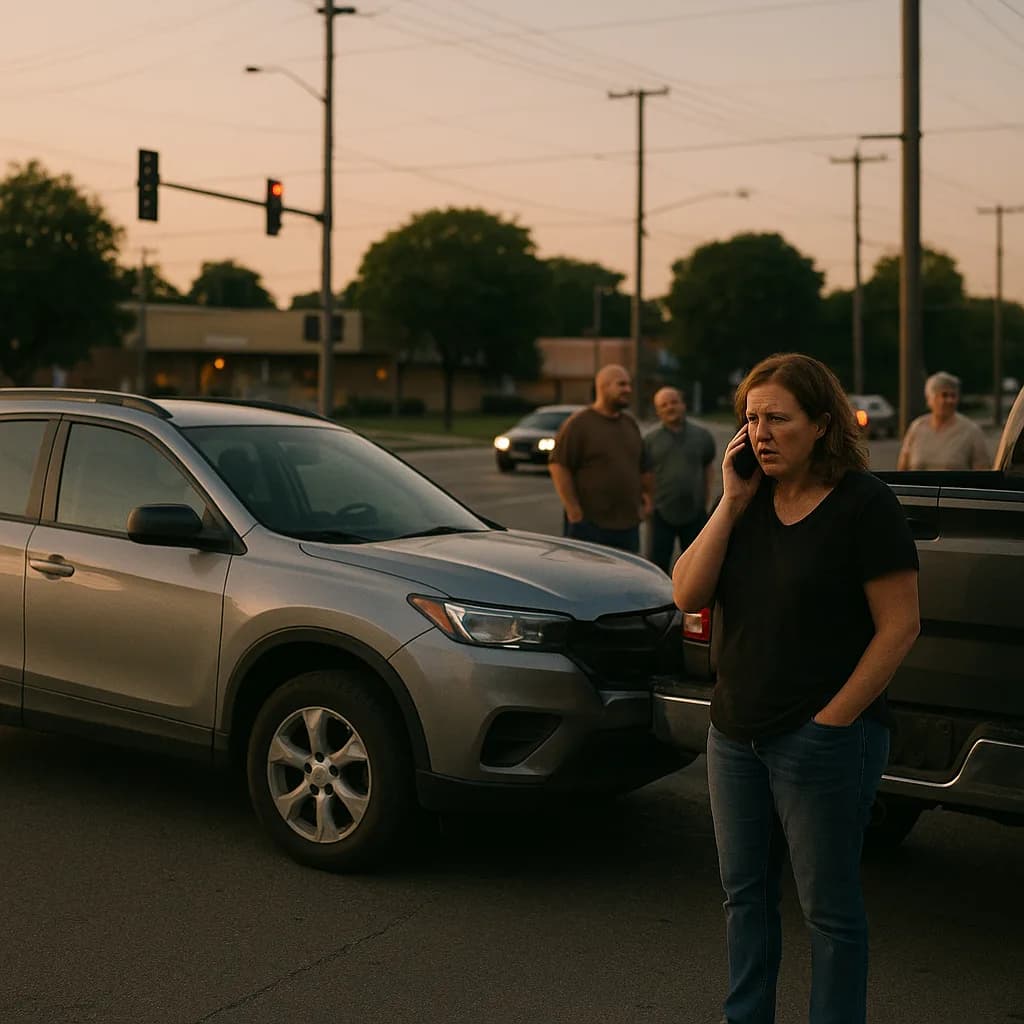
Geico writes non-owner policies in all 51 jurisdictions and accepts post-DUI and post-suspension applicants in New York. Geico places high-risk drivers in its non-standard tier but allows monthly payment plans with no minimum down payment beyond the first month's premium. The electronic filing to the DMV happens automatically when the policy binds. Geico's online quote tool screens for non-owner eligibility upfront, so you know within minutes whether you qualify. Progressive also writes non-owner policies nationwide and accepts high-risk applicants in New York. Progressive's non-standard tier often requires a larger down payment—typically two months of premium—but offers six-month policy terms with mid-term cancellation allowed if you buy a car and need to switch to a standard policy.
Bristol West specializes in non-standard auto insurance and writes non-owner policies in New York through independent agents. Bristol West accepts drivers with DUI convictions, multiple at-fault accidents, and suspended licenses. The trade-off: Bristol West requires broker placement, so you cannot quote online. You work with an independent agent who submits your application to Bristol West's underwriting team. Approval can take 24 to 48 hours. National General writes non-owner policies in New York and accepts high-risk applicants, but National General's underwriting is the most restrictive of the four. The carrier often requires proof of prior continuous coverage for at least six months before approving a non-owner application, which creates a Catch-22 for drivers reinstating after a long suspension. If you have no recent coverage history, National General may decline the application outright.
Related Articles





How New York's Electronic Insurance System Works for Non-Owner Policies
When you buy a non-owner policy in New York, the carrier transmits an electronic notice of coverage to the DMV's Insurance Information and Enforcement System. The notice includes your name, policy number, effective date, and the carrier's NAIC code. The DMV updates your driver record to show active coverage. You receive the NYS Insurance Identification Card—either a physical card mailed to you or a digital card accessible through the carrier's app. This card is your proof of insurance when driving any vehicle.
If your policy lapses—because you miss a payment, the carrier non-renews you, or you cancel mid-term—the carrier transmits an electronic termination notice to the DMV within 24 hours. The DMV assesses a $50 termination fee and mails you a notice. If the lapse exceeds 90 days, the DMV suspends your registration (if you own a vehicle) or your license (if you do not). For a high-risk driver already under post-violation monitoring, a lapse can restart the entire compliance period tied to your original offense.
The system is unforgiving. There is no grace period. The moment the carrier reports the lapse, the DMV's system flags your record. If you were reinstating after a DUI suspension and your non-owner policy lapses before the three-year monitoring period ends, the DMV treats it as a new violation and you start the clock over. This is why carrier selection matters: a carrier with restrictive payment terms or a history of non-renewing high-risk policies mid-term creates reinstatement risk you cannot afford.
NY DMV Termination Fee
$50
New York assesses a $50 termination fee when your insurance lapses and the carrier reports the termination electronically. If the lapse exceeds 90 days, the DMV suspends your license or registration. For high-risk drivers under post-violation monitoring, a lapse restarts the compliance period.
New York State Department of Motor Vehicles reinstatement fee schedule
What High-Risk Drivers Pay for Non-Owner Coverage in New York
Non-owner policies cost less than standard auto policies because they cover liability only and exclude physical-damage coverage on an owned vehicle. High-risk drivers pay more than standard-risk drivers because the carrier prices in the elevated claim probability tied to past violations. The rate depends on your specific violation history: a single DUI conviction prices differently than multiple at-fault accidents or a reckless-driving charge combined with a suspended license.
Carriers in the non-standard tier use tiered pricing. The first tier applies to drivers with one recent violation and no prior claims. The second tier applies to drivers with multiple violations or a combination of violations and claims. The third tier applies to drivers with the highest risk profiles: multiple DUIs, a pattern of at-fault accidents, or a suspended license combined with uninsured-driving charges. Each tier can double or triple the base rate. Payment structure also varies by tier: first-tier applicants may qualify for monthly payments with no down payment beyond the first month, while third-tier applicants often face a down payment equal to three months of premium plus a policy fee.
Compare Carriers That Accept Your Violation History
The four carriers writing non-owner policies for high-risk drivers in New York use different underwriting criteria. Geico and Progressive accept the widest range of violation histories and offer online quotes. Bristol West accepts the highest-risk profiles but requires broker placement. National General accepts fewer applicants and often declines drivers without recent continuous coverage. Your next step: request quotes from all four carriers, disclose your full violation history upfront, and compare not just the premium but the payment terms, down-payment requirements, and mid-term cancellation rules. The carrier that quotes the lowest monthly rate may also impose the strictest payment structure, and a missed payment in the non-standard tier triggers an immediate lapse that the DMV sees within 24 hours. Choose the carrier whose underwriting rules and payment flexibility match your financial situation, not just the one with the lowest advertised rate.