Non-Owner SR-22 After Alaska DUI
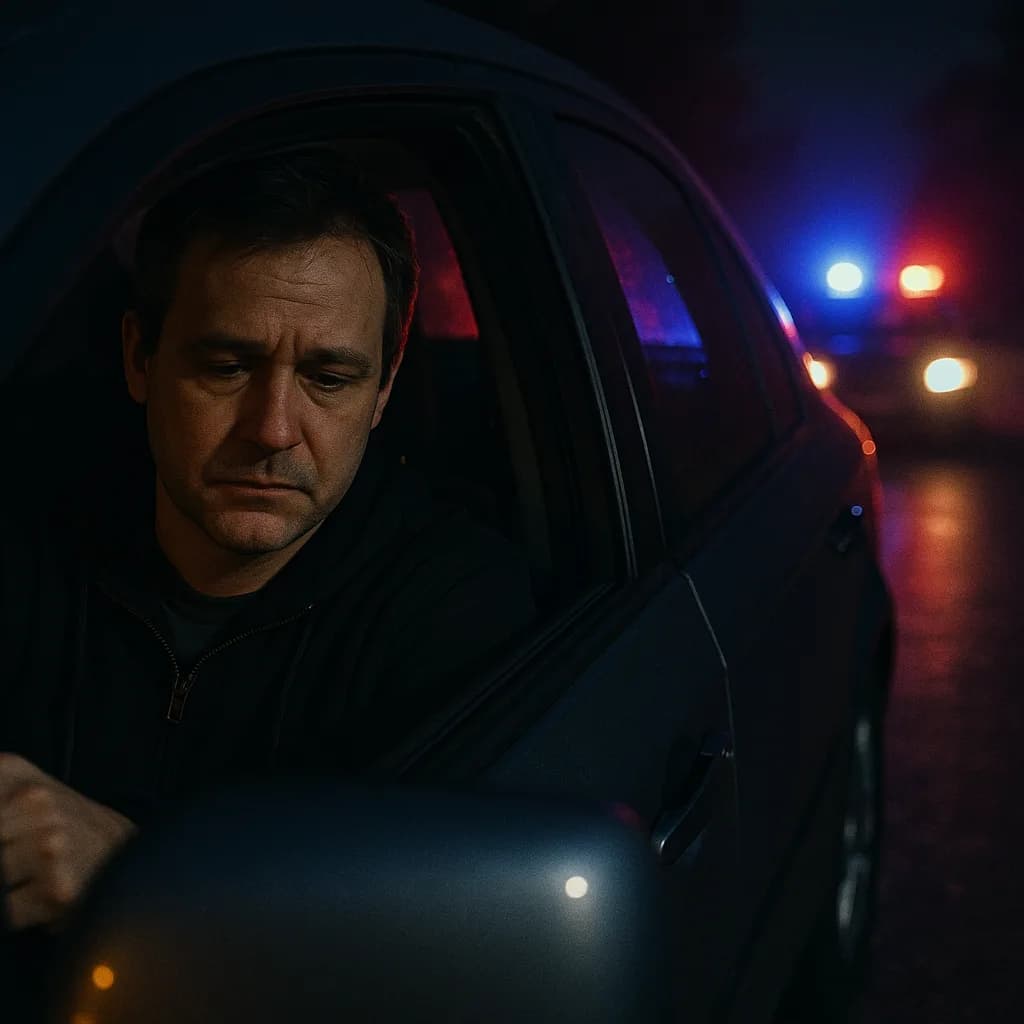
You received a DUI conviction in Alaska, the court ordered SR-22 filing, and you do not own a car. The Division of Motor Vehicles will not reinstate your license without proof of continuous SR-22 coverage for 3 years, but the carrier you called refused to file an SR-22 on a non-owner policy. This is the procedural trap Alaska DUI filers without vehicles hit: the state requires the filing, the filing requires insurance, and most carriers writing non-owner policies will not file the certificate the DMV demands.
A non-owner car insurance policy is liability-only coverage that follows you rather than a vehicle. It satisfies Alaska's $50,000/$100,000/$25,000 minimum liability requirement and allows a carrier to file the SR-22 certificate on your behalf. The SR-22 is not insurance — it is a certificate the carrier files with the DMV proving you carry continuous coverage. Alaska requires it for 3 years after a DUI conviction, and any lapse in coverage resets the clock to day one.
Get non-owner SR-22 coverage without owning a vehicle
Compare carriers that offer non-owner policies with SR-22 filing — required for reinstatement in most states.
Get Your Free QuoteAlaska DUI SR-22 Period
3 years
Alaska requires SR-22 filing for 3 years after a DUI conviction, measured from the conviction date. Any coverage lapse during that period resets the clock and reports the gap to the Division of Motor Vehicles.
Alaska Division of Motor Vehicles SR-22 filing requirements
What Non-Owner SR-22 Actually Covers
A non-owner policy is secondary liability coverage. It sits behind any policy on the car you are driving — a household member's vehicle, a borrowed car, or a rental. If the car's owner has insurance, their policy pays first. Your non-owner policy covers the gap if their limits are exhausted or if the car carries no coverage at all.
Non-owner policies never include collision or comprehensive coverage because you own no vehicle to repair. They carry bodily-injury and property-damage liability at Alaska's minimum ($50,000 per person, $100,000 per accident, $25,000 property damage) or higher, plus uninsured/underinsured motorist coverage if you add it. The policy does not cover physical damage to any car you drive.
The SR-22 certificate is filed by the carrier on top of the non-owner policy. The carrier sends the certificate to the DMV electronically, proving you carry continuous coverage. If you cancel the policy or miss a payment, the carrier notifies the DMV within 10 days and your license is suspended again. The filing period runs for 3 years from the conviction date, not the filing date — starting late costs you time.
Only six carriers in Alaska write non-owner policies AND file SR-22 certificates: Geico, Progressive, The General, National General, Farmers, and USAA (military-affiliated only).
Which Alaska Carriers File Non-Owner SR-22
Geico, Progressive, The General, National General, and Farmers write non-owner policies and file SR-22 certificates in Alaska. USAA writes non-owner SR-22 policies but restricts eligibility to military members, veterans, and their families. State Farm writes non-owner coverage in only one U.S. jurisdiction and does not operate a non-owner program in Alaska. Allstate and Liberty Mutual write SR-22 policies in Alaska but do not write non-owner coverage.
The filing fee is set by the carrier, not the state. Alaska charges no separate SR-22 filing fee — the carrier's one-time fee (typically $15 to $50) covers the certificate filing. The policy premium is separate and depends on your driving record, age, and coverage limits. Carriers price non-owner SR-22 policies higher than standard non-owner coverage because DUI convictions place you in the non-standard tier.
Related Articles






Alaska Limited License and SR-22 Timing
Alaska issues a Limited License (hardship license) to DUI offenders who meet reinstatement requirements. You apply by emailing the completed limited license application to doa.dmv.limited@alaska.gov. The application fee is $100. Processing takes 10 business days. You must provide proof of ASAP program completion or enrollment, pass a vision test and general knowledge test, install an ignition interlock device within 30 days, and file SR-22 within 30 days of license issuance.
The SR-22 filing must be active before the DMV issues the Limited License. If you apply for the license without SR-22 already on file, the DMV will reject the application. The carrier files the SR-22 electronically the day your non-owner policy becomes active — most carriers file within 24 hours of policy purchase. The DMV receives the filing electronically and updates your record within 2 to 5 business days.
The 3-year SR-22 period begins on your DUI conviction date, not the date you file the certificate. If your conviction date was 6 months ago and you file SR-22 today, you have 2.5 years remaining. Starting the filing late does not extend the period — it only delays your ability to drive legally. Any coverage lapse during the 3-year period resets the clock to day one and triggers a new suspension.
Alaska License Reinstatement Fee
$100
Alaska charges a $100 base reinstatement fee after DUI suspension. The fee is separate from the Limited License application fee ($100) and the carrier's SR-22 filing fee.
Alaska Division of Motor Vehicles reinstatement fee schedule
Failure Modes Alaska DUI Filers Hit
The most common failure is quoting with a carrier that writes non-owner coverage but refuses to file SR-22 without an owned vehicle. Travelers writes non-owner policies in Alaska but does not file SR-22 certificates on them. Allstate files SR-22 in Alaska but does not write non-owner coverage. Quoting with either carrier leaves you stuck at the quote stage with no path to reinstatement.
The second failure is buying a non-owner policy without confirming the carrier filed the SR-22 certificate. The policy itself does not satisfy the DMV — only the filed certificate does. If the carrier delays filing or files incorrectly, the DMV will not show the SR-22 on your record and your Limited License application will be rejected. Request written confirmation from the carrier that the SR-22 was filed and the filing date. The DMV can verify receipt by checking your driver record online or calling Driver Services at (907) 269-5551.
The third failure is letting the policy lapse during the 3-year filing period. Missing a payment or canceling the policy triggers an automatic lapse notice to the DMV within 10 days. The DMV suspends your license immediately and resets the 3-year SR-22 clock to day one. Reinstating after a lapse requires filing a new SR-22, paying the $100 reinstatement fee again, and restarting the full 3-year period.
Compare Carriers That Write Your Situation
Alaska's non-owner SR-22 carrier pool is limited to six insurers. Premiums vary by carrier based on your DUI conviction date, age, and prior coverage history. Geico, Progressive, and The General quote online and provide instant SR-22 filing confirmation. National General and Farmers require phone quotes for non-owner SR-22 policies. USAA restricts eligibility to military-affiliated drivers but offers the lowest premiums in the non-standard tier when you qualify.
Request quotes from at least three carriers. Confirm each carrier writes non-owner policies in Alaska, files SR-22 certificates without an owned vehicle, and can file the certificate within 24 hours of policy purchase. Ask for the SR-22 filing fee amount (separate from the policy premium) and written confirmation of the filing date once the policy is active. The cheapest premium is not always the best choice — carriers that delay SR-22 filing or require manual certificate processing add days to your reinstatement timeline.
Next Step
Compare non-owner SR-22 quotes from Alaska carriers that write both coverage types and file certificates without an owned vehicle. Confirm the carrier can file SR-22 within 24 hours of policy purchase and request written proof of filing once the policy is active. Apply for the Limited License only after the DMV shows the SR-22 on your driver record — applying early wastes the $100 application fee and delays your reinstatement by another 10 business days.