Why a Lapse Blocks Non-Owner Coverage in California
You let your California auto insurance lapse—maybe you sold your car, maybe you stopped driving temporarily, maybe the premium auto-drafted and the card declined—and now you need a non-owner policy to stay continuously covered or satisfy an SR-22 filing the DMV ordered after the lapse was reported. Most carriers refuse to quote you. The system treats a coverage gap as proof you are a higher risk, even when you own no vehicle to insure and the lapse happened because you had nothing to cover.
California Vehicle Code §16020 requires continuous liability coverage for all registered vehicle owners, but the law does not require non-owners to carry insurance unless a court or the DMV orders it. When your registration lapsed or you sold the car, the insurer reported the cancellation to the DMV. If the DMV recorded a gap between your cancellation date and your next policy start date, you face a $250 reinstatement fee under §16374.1 and a potential one-year suspension. A non-owner policy filed immediately stops the suspension clock, but only if a carrier will write it.
Get non-owner SR-22 coverage without owning a vehicle
Compare carriers that offer non-owner policies with SR-22 filing — required for reinstatement in most states.
Get Your Free QuoteCalifornia Lapse Reinstatement Fee
$250
California charges $250 to reinstate a license suspended for driving uninsured or allowing a coverage gap, per Vehicle Code §16374.1. The fee applies whether you owned a car at the time of the lapse or not.
California Vehicle Code §16374.1
What California Considers a Coverage Lapse
A coverage lapse in California is any gap between the cancellation date of one policy and the effective date of the next, reported by the insurer to the DMV via the California Low Cost Auto Insurance Program (CLCA) data feed. The gap triggers a Notice of Intent to Suspend mailed to your last address on file. You have 45 days from the notice date to either prove continuous coverage existed or file new proof of financial responsibility.
The DMV does not distinguish between owner and non-owner policies for lapse purposes. If you sold your car on March 1 and your policy canceled March 1, but you did not buy a non-owner policy until March 15, the DMV records a 14-day gap. That gap is a violation of the continuous-coverage requirement even though you owned no vehicle during those 14 days. The reinstatement fee applies, and carriers see the lapse on your Motor Vehicle Record (MVR) when you apply for the non-owner policy.
California does grant a narrow exception under §16056: if you surrender your license plates to the DMV within 10 days of the policy cancellation, the lapse does not trigger a suspension. Most drivers who sell a car and intend to stay out of the market for months use this route. If you missed the 10-day window, the lapse stands and you need a non-owner policy to stop further penalties.
Seven carriers in California write non-owner policies for drivers with a recent lapse: Acceptance, Bristol West, Dairyland, Geico, Progressive, The General, and Kemper. All others either decline or require a six-month clean MVR before quoting.
How to Apply for Non-Owner Coverage After a Lapse

Start with the seven carriers confirmed to write post-lapse non-owner policies in California: Acceptance Insurance, Bristol West, Dairyland, Geico, Kemper, Progressive, and The General. Call or quote online, selecting non-owner as the policy type. When the application asks about prior insurance, disclose the lapse date and duration accurately—misrepresenting the gap is grounds for rescission and will restart your filing clock if an SR-22 is involved. Most of these carriers pull your MVR during the quote, so the lapse will surface regardless.
Provide proof of your current non-owner status: a bill of sale for the vehicle you sold, a lease termination letter, or a DMV registration query showing no active registrations in your name. Carriers want evidence you are not hiding an owned vehicle to avoid higher premiums. If the DMV sent you a Notice of Intent to Suspend, bring that letter—it proves the lapse was reported and shows the 45-day reinstatement window you are working within. Quotes typically return within 24 hours for non-owner policies; underwriting may take an additional 48 hours if the lapse was longer than 30 days.
Related Articles
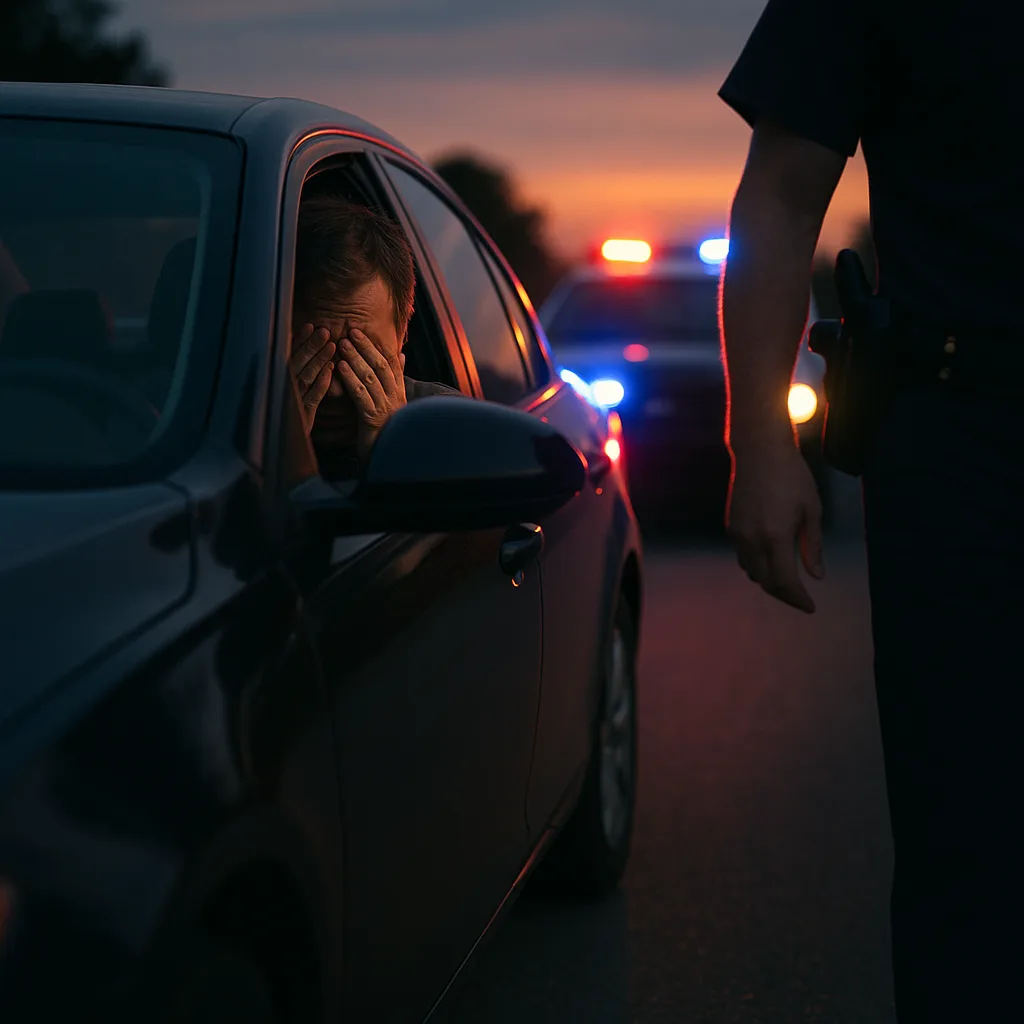

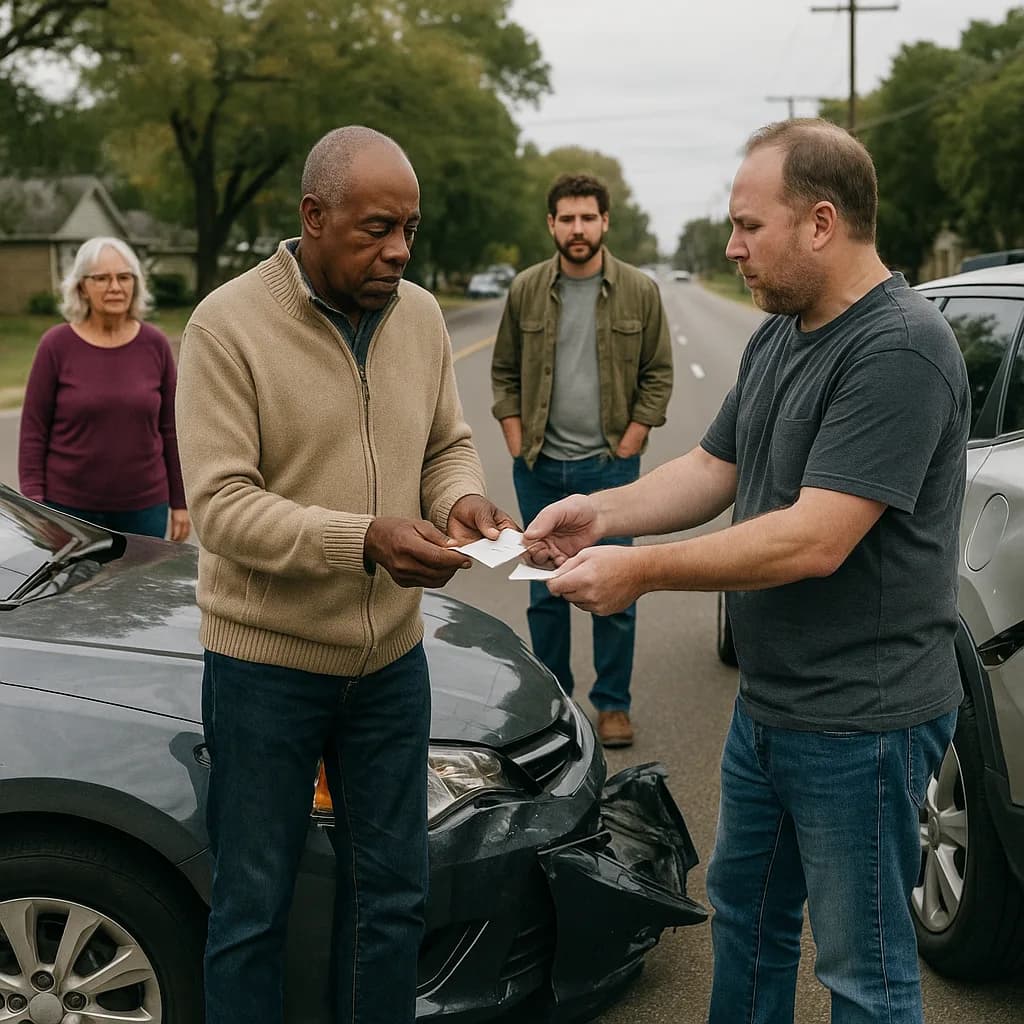
SR-22 Filing After a Lapse in California
If the DMV ordered you to file an SR-22 as a condition of reinstatement after the lapse, the non-owner policy must include the SR-22 certificate filed with the DMV. California requires SR-22 filing for 3 years after an uninsured-driving violation, measured from the date the DMV receives the filing, not the date of the lapse. The filing fee is set by the carrier—most charge $15 to $25—and the state charges no separate SR-22 fee.
The SR-22 clock does not start until the DMV receives the certificate. If you buy a non-owner policy today but the carrier does not file the SR-22 until three business days later, your 3-year period begins on the filing date. Any lapse in the non-owner policy during the 3-year period cancels the SR-22 and the carrier reports the cancellation to the DMV within 10 days per §16056. The DMV then suspends your license again and you start the 3-year clock over from zero when you refile.
Seven carriers write non-owner SR-22 policies for drivers with a lapse on their MVR: Acceptance, Bristol West, Dairyland, Geico, Kemper, Progressive, and The General. State Farm writes non-owner policies in California but does not file SR-22 certificates for non-owner policies, so it is not an option for the compliance case. USAA writes non-owner SR-22 but restricts eligibility to military-affiliated members.
California SR-22 Filing Period
3 years
California requires SR-22 filing for 3 years after an uninsured-driving violation, per Vehicle Code §16374. The period begins when the DMV receives the certificate, not when you buy the policy. A lapse during the 3 years resets the clock to zero.
California Vehicle Code §16374
Coverage Limits and Cost After a Lapse
A California non-owner policy must carry at least the state minimum liability limits: $15,000 bodily injury per person, $30,000 bodily injury per accident, and $5,000 property damage. These are the legal minimums under Financial Responsibility Law §16056. Most carriers automatically quote higher limits because the $15,000/$30,000/$5,000 floor is insufficient to cover a serious accident, and underinsured-motorist claims against your non-owner policy are common when the at-fault driver carries only the minimum.
Non-owner policies do not include collision or comprehensive coverage because there is no owned vehicle to repair. Uninsured-motorist coverage is not required in California but is included in most non-owner policies as secondary protection when you drive a borrowed or rented car. The policy is secondary: if the car you are driving has its own insurance, that policy pays first and your non-owner policy covers the gap only if the car's limits are exhausted.
Next Steps to Close the Gap
If you received a Notice of Intent to Suspend from the DMV, you have 45 days from the notice date to file proof of financial responsibility or pay the $250 reinstatement fee and accept the suspension. The 45-day window is a hard deadline—miss it and the suspension becomes automatic. Contact one of the seven carriers listed above within the next 48 hours to start a non-owner quote. Bring your driver license number, the lapse dates from your MVR or the DMV notice, and proof you own no vehicle.
Once the policy is issued, the carrier files the SR-22 certificate with the DMV electronically within 1 to 3 business days. You can track the filing status by calling the DMV's Financial Responsibility unit at 916-657-6525 or checking your online DMV account. After the DMV receives the filing, pay the $250 reinstatement fee online or at a field office. Your license is reinstated the same day the fee posts, and your 3-year SR-22 clock begins. Set a calendar reminder for 36 months from the filing date—if you cancel the non-owner policy before that date, the DMV suspends your license again and you restart the clock.